How To Manage Your Store's Black Friday Inventory Without The Chaos

A Step-by-Step Plan to Stock Up, Avoid Stockouts, and Keep Your Store Looking Clean
Good Black Friday inventory management comes down to two goals. You want enough of the right products to meet the rush, and you want a place to keep that extra stock so it never crowds your aisles. Miss the first goal, and you lose sales to empty shelves. Miss the second and your store looks messy right when it is packed with new shoppers.
At StoreEase, a national self-storage company, we help small businesses and retailers make room for busy seasons every year. Let’s take a closer look at how to plan using past sales, decide what to stock up on, order early, avoid stockouts during the sale, and keep your floor clear.
Start Black Friday Inventory Planning With Last Year's Numbers
Your past sales are the best guide to what shoppers will want this year. Pull your sales reports from last November and December to see which products sold out, which sold steadily, and which sat on the shelf after the sale ended.
Look past the totals. Note the day and hour each bestseller ran out, since a product that sold out by 10 am on Black Friday had more demand than your numbers show. Check which items shoppers bought together, too, because those pairs need to be stocked side by side.
Last year's numbers need some context before you use them. A product that trended on social media last fall may have cooled off. A new item you added this spring has no history at all. Adjust for anything that has changed, like new promotions, higher prices, or a new sales channel, instead of multiplying last year's figures across the board. Black Friday falls on November 27 this year, so start this review early to leave time for ordering.
Pick the Products That Deserve Extra Stock
Not every product needs a bigger order. Most of your Black Friday sales will come from a small group of bestsellers and the items you plan to promote, so focus your extra budget there.
Try planning three versions of the weekend. A slow version assumes sales match a normal busy week. A middle version uses your best estimate. A strong version assumes your top deals take off. Products that run short even in the middle version need extra safety stock. Products that only run short in the strong version can get a smaller boost.
This approach keeps your cash working. Money tied up in extra stock of slow sellers is money you can't spend on the products shoppers are lining up for. It also leaves you with fewer leftovers to discount in January.
Order Early and Talk to Your Suppliers
Suppliers get busy in the fall, and late orders are one of the most common reasons shelves go empty. Reach out to your vendors in early fall to confirm how long each order takes to arrive and if they expect any delays.
Work backward from Black Friday. Take each product's lead time, add a week or two of cushion for shipping delays, and set that as your order deadline. Ask about a restock option too, so you can send a quick second order if a product sells faster than planned. For your top sellers, line up a backup supplier in case your main one runs short.
Plan where each delivery will go before it arrives. A pallet of holiday stock showing up in mid-November needs a home that isn't your checkout counter.

How To Avoid Stockouts When Demand Spikes
Knowing how to avoid stockouts during the sale is as important as ordering the right amount beforehand. The weekend brings a huge crowd. The National Retail Federation counted a record 203 million shoppers over the 2025 Thanksgiving weekend, and demand can shift by the hour.
If you sell both in-store and online, connect your stock counts across every channel. When your website and your register pull from separate numbers, you can sell the same item twice and have to cancel an order. Watch how fast each bestseller is selling, not only how many are left. A product with 40 units left sounds safe until you see it sold 30 in the last hour.
Set a low-stock alert for your top products so you can restock the floor or pull a promotion before the shelf goes bare. Online orders carry extra rules. The Federal Trade Commission requires sellers to ship within the time they promise, or within 30 days if no time is stated, and to promptly notify customers of any delay. Accurate counts protect you from promises you can't keep.
Keep Your Sales Floor and Back Room Clear
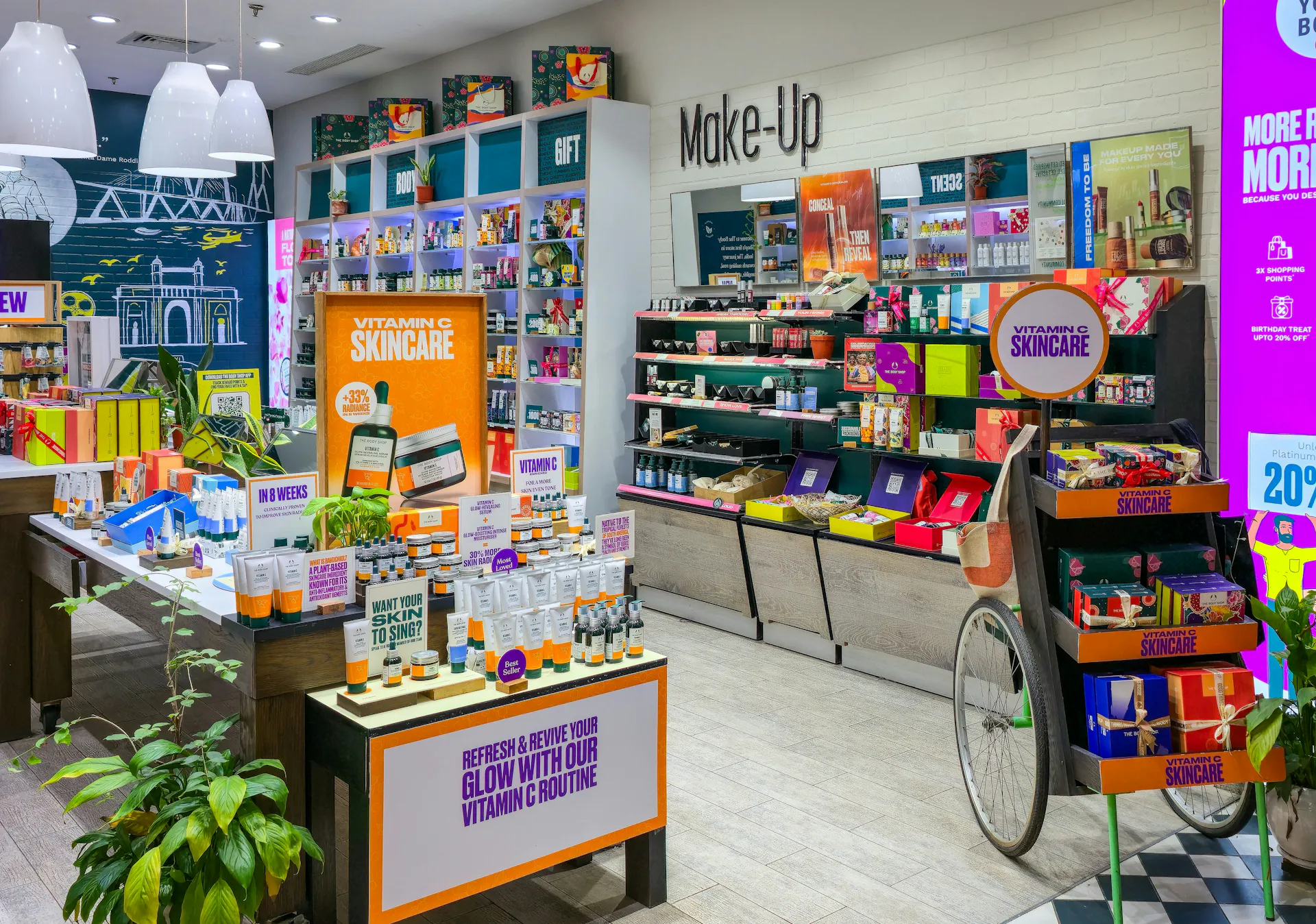
Extra inventory has to live somewhere, and too often it ends up in the aisles. Boxes stacked in walkways, crowded displays, and overflowing shelves make a store feel cramped and hard to shop. Shoppers walk past products they can't see, and staff lose time digging for sizes and colors.
Start by clearing out before the new stock arrives. Pull slow sellers, old displays, and last season's leftovers off the floor. Mark some down for an early sale, donate what won't sell, and store what you plan to bring back later. Keep only one or two days of stock on the floor and restock from the back as items sell.
When your back room runs out of space, off-site storage fills the gap. A nearby unit is perfect; it holds your extra Black Friday inventory, fixtures, and holiday displays until you need them. Commercial storage at many of our facilities includes wide aisles, free WiFi, delivery acceptance, and month-to-month leasing, so you can rent for the season and stop when the rush ends. Our Smart Units open with your smartphone, which makes early-morning restock runs quick.
Count, Label, and Stage Your Stock Before the Rush
A physical count a week or two before the sale makes sure your system matches what is on your shelves. Spread the count across your team, check your bestsellers first, and fix any gaps you find while there is still time to reorder.
Label every box by product, size, and color on at least two sides so anyone on your team can grab the right one fast. Group stock by the area of the store where it will be sold. Stage the first restock of each bestseller near the floor so your staff can refill shelves in minutes.
Give each employee a clear job for the weekend, such as monitoring a section, handling restocks, or running the register. A team that knows the plan keeps the shelves full and the store tidy even at the busiest hour.
Sort Out Leftovers and Returns After the Sale
The work doesn't end on Monday. Compare what actually sold with the three versions you planned so you know which guesses were right and which were off.
Move leftover stock into clearance, bundle it with popular items, or store it for next season if it will still sell. Process returns quickly so good items go back on the shelf instead of sitting in a pile. Write down what ran out, what sat, and what you would change. Those notes make next year's Black Friday inventory planning faster and more accurate.
Make Room for Your Busiest Weekend
A clear plan and the right amount of space keep Black Friday from turning into complete chaos. With our 2 Minute Move-In, you can rent a unit and start moving stock on the same day. More importantly, you can be prepared for the biggest shopping day of the year. A good impression on Black Friday could bring people back year-round. Find a StoreEase location near you and give your extra inventory a home before the rush begins.



Find your Smart Storage™ unit.
We have locations across the United States providing onsite StoreEase Virtual Customer Service™ and 2 Minute Move In® contactless rental.