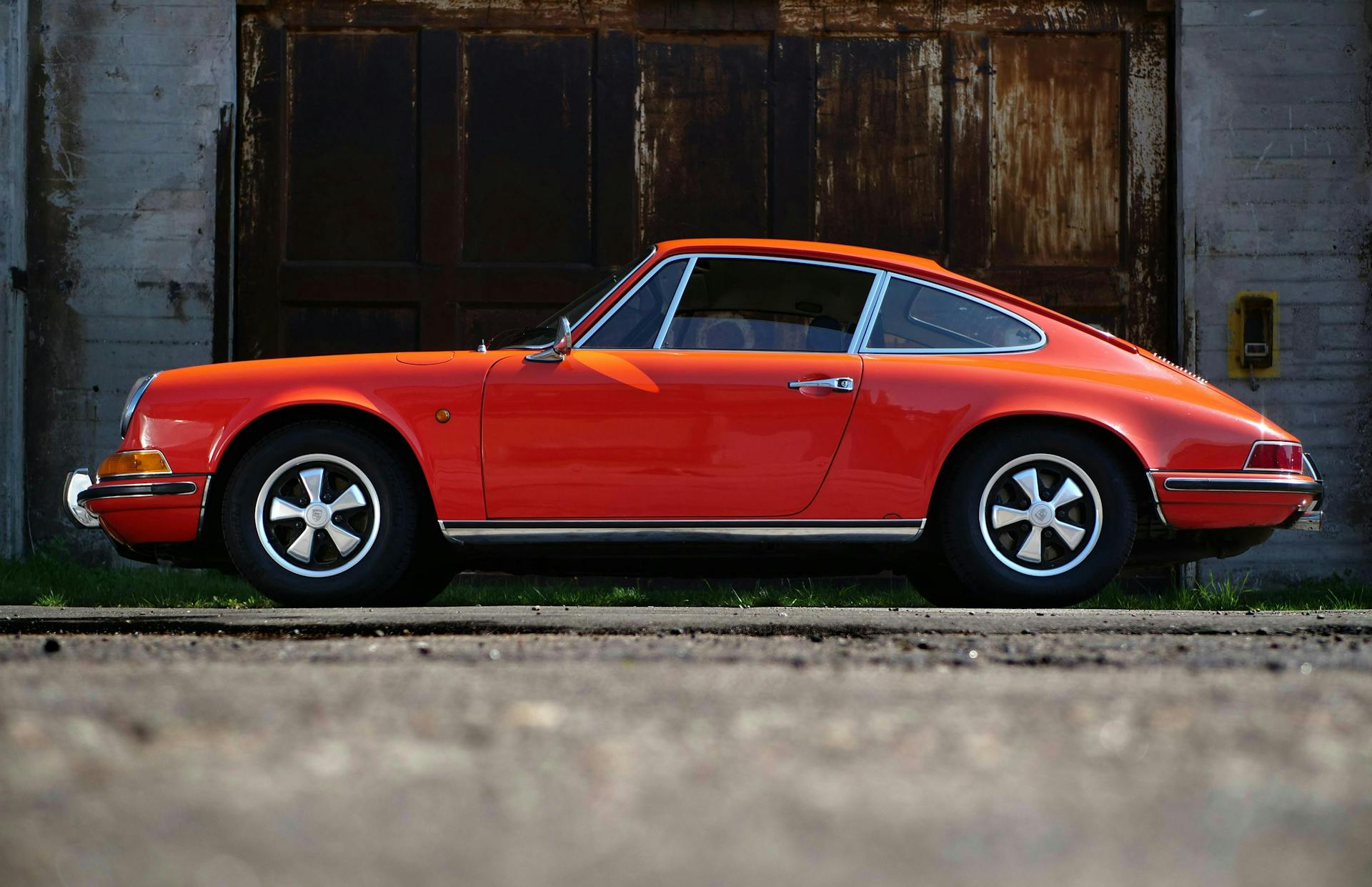
Storing Your Classic Car: Essential Tips for Preserving Your Investment
Owning a classic car represents a significant investment of time, money, and passion. That is why storing a classic car properly is the most important step in preserving its value and condition. When your vehicle isn't on the road, it's vulnerable to threats that can quickly undo your hard work: humidity, temperature extremes, pests, and simple non-use. This guide will walk you through the essential steps to ensure your antique car remains in pristine condition.
Why Your Choice in Storage Is the First and Most Important Step
When it comes to storing classic cars, not all storage options are equal. A home garage or driveway might seem convenient, but it comes with significant risks. Fluctuating temperatures, high humidity, the threat of pests, and potential theft can all jeopardize your vehicle.
To truly protect your investment, a proper classic car storage space must have several non-negotiable features:
● Robust Security: Your car is valuable. Look for a facility with 24/7 video surveillance, electronic-gated access, and solid, fully enclosed units.
● Proactive Pest Control: Rodents and insects can cause irreversible damage by chewing through wiring and upholstery. A professional facility should have a regular, comprehensive pest control program.
● Climate Control: This is the most critical feature for classic car storage. Climate-controlled storage units maintain a consistent temperature and low humidity. This stability is essential to prevent rust from forming on metal, stop paint from blistering, and keep leather, vinyl, and wood interiors from cracking and warping.
These features are essential for a professional classic car storage facility and are the only reliable way to create the stable environment your vehicle needs.
The 7 Essential Steps for Preparing Your Car for Storage
Once you have secured the right location, it is time to prepare your vehicle. Following this checklist will protect every part of your car, from the engine to the paint.
1. A Deep Clean, Inside and Out
First, give your car a thorough wash and wax. This may seem obvious, but it is a crucial step. Bird droppings, dead bugs, or even tree sap can become acidic over time and permanently eat through your car's clear coat and paint. A fresh coat of quality wax provides a barrier against airborne dust and moisture.
On the inside, vacuum every carpet, seat, and crevice. Remove all trash, wrappers, or personal items. Even a single food crumb can attract rodents, which will then shred your upholstery and wiring to build nests.
2. Perform All Critical Fluid Changes
Your car's fluids can become its enemy during long-term storage.
● Oil Change: Change the oil and filter right before you store the car. Used engine oil contains contaminants and acids that, if left to sit, can corrode engine components.
● Gas Tank: Fill the fuel tank to approximately 90% capacity and add a quality fuel stabilizer. A full tank leaves no bare metal exposed on the inside, preventing moisture from condensing on the tank walls and causing rust. The stabilizer stops the gasoline from degrading into "varnish," a gummy substance that clogs fuel lines, carburetors, and injectors.
3. Protect Your Battery
A car battery will slowly lose its charge over time. If left for months, it will go completely flat, which can permanently damage its ability to hold a charge again. The best solution is to connect a "battery tender" or "trickle charger." This device provides a slow, steady stream of power that keeps the battery optimally charged without overcharging it. When looking at classic car storage units, ask if they provide access to a power outlet for this purpose.
4. Prevent "Flat-Spotting" on Tires
When a car sits in one spot for months, the vehicle's weight can flatten the area of the tire in contact with the ground. This creates "flat spots" that cause an uncomfortable or even unsafe, shaky ride.
You have two good solutions:
- Inflate the tires to about 10 PSI above their normal recommended pressure. This helps the tire hold its round shape.
- For very long-term storage (over a year), consider placing the car on four jack stands to completely take all the weight off the suspension and tires.
5. Keep Pests Out
Even in a clean facility, an extra layer of defense is a smart move. Pests love to crawl into dark, hidden places, such as exhaust pipes and air intakes. Block these openings with a wad of coarse steel wool. Rodents can chew through rags or plastic, but they cannot get through steel wool. We recommend avoiding mothballs, as their potent odor can permeate a car's interior and become impossible to remove.
6. Choose the Right Car Cover
This is one of the most important classic car storage tips, and it is also where many owners make a costly mistake. Never cover your car with a plastic tarp. A non-breathable cover traps moisture against the car's body, creating a perfect environment for rust, mold, and mildew.
Instead, invest in a quality car cover made from a soft, breathable fabric. This will protect your car from dust and scratches while still allowing any moisture to evaporate, keeping the paint and metal safe.
7. Do Not Use the Parking Brake
When you engage the parking brake for an extended period, the brake pads can fuse to the brake rotors or drums. This can be a costly and difficult repair. Instead of using the parking brake, secure the car with a set of quality wheel chocks to prevent it from rolling.
Choose a Storage Partner That Protects Your Passion
Classic car storage requires more than just a roof. It demands a stable, secure, and clean environment to protect your vehicle from all its potential enemies. Your investment deserves a solution designed to preserve it.
At StoreEase, we offer the classic car storage units you need. Our climate-controlled units prevent the rust, cracked leather, and warped interiors that can happen in a typical garage. With 24/7 video surveillance, personal-coded gated access, and a clean, modern facility, your passion is protected. We provide the ideal classic car storage space to ensure your vehicle rolls out in the same pristine condition it arrived in.
Ready to give your classic car the protection it deserves? Find a StoreEase facility near you and explore our premium vehicle storage options today!