What to Consider When Storing Photography Equipment: Space, Climate, and Storage Types

Protect Your Investment with Smart Storage Planning at Home or in a Storage Unit
Photography gear isn’t just expensive; it’s sensitive. Whether you’re storing it for a few weeks or stepping away from photography for a longer stretch, how you store your gear directly impacts how well it performs over time.
Cameras, lenses, lighting, and accessories are vulnerable to moisture, heat, and dust, even when they’re sitting quietly on a shelf. Without climate control or proper organization, your gear can quietly deteriorate, leaving you with damaged lenses, battery corrosion, or worse: unexpected failure right before an important shoot.
Whether you’re keeping gear at home or using a storage unit to free up space, this guide breaks down what to consider when storing photography equipment, starting with space and climate, then moving into specific gear types, common mistakes, and ways to stay organized.
Make Space Work for Your Storage Needs
Before you worry about the gear itself, take a moment to evaluate where your storage will actually go. Is there a dedicated space in your home, like an office, closet, or cabinet? Or is the gear taking over shared spaces like the living room, bedroom, or hallway?
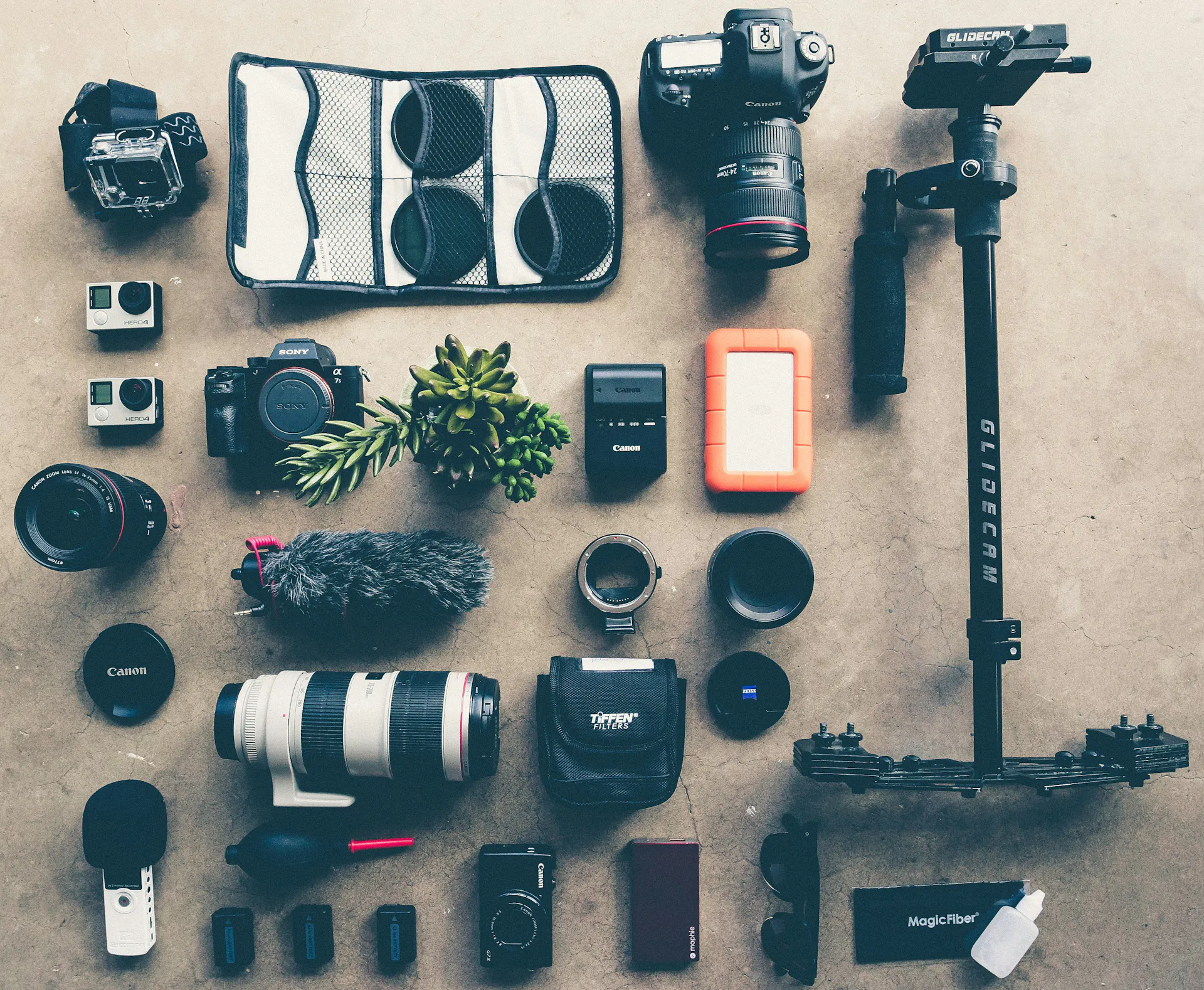
Photography gear adds up quickly. Camera bodies, lenses, straps, batteries, memory cards, filters, tripods, stands, chargers, cleaning supplies…the list goes on. If you shoot multiple styles, your kit is even larger. Wildlife photographers often have oversized lenses and rugged support gear. Studio photographers may have lighting and modifiers that don’t break down easily.
In small spaces, clutter becomes a real concern. That’s where renting a climate-controlled storage unit makes sense. Many photographers use storage for off-season gear, rarely used gear, or backup equipment they don’t want to sell. A secure unit clears space at home without sacrificing access.
Climate Control Shouldn’t Be Optional
Humidity and temperature are the two biggest threats to photography gear, and both fluctuate more than most people realize, especially in garages, attics, or closets near windows.
Humidity encourages mold and fungus growth, particularly in the inside of lenses. It doesn’t take much moisture for spores to grow between the lens elements or behind the front glass. Once fungus takes hold, it often causes permanent etching in the coatings.
Temperature swings are also a problem. Rubber seals dry out. Adhesives break down. Cold can cause batteries to lose power, while heat can warp plastics and damage internal electronics.
If you're storing gear for weeks or longer, photography equipment storage should include some form of climate control. At a minimum, gear should be stored in a space that stays within a safe temperature range and limits exposure to humidity. That’s where professional storage for photography equipment stands out. StoreEase, for example, offers climate-controlled units designed to maintain stable environmental conditions.
Organize Before You Store
Throwing everything into a drawer or box might seem fast, but it creates long-term problems. Gear that’s stored without protection gets bumped, scratched, or warped. Cables tangle. Smaller accessories disappear.
Before storing, group items by use. Place lenses in their padded cases and keep front and rear caps on. Cameras should be wrapped in soft cloths or stored in foam inserts. Tripods and light stands should be secured to avoid movement. Filters and memory cards should be labeled and stored in hard cases.
Modular organizers and clear bins make it easier to locate what you need later without having to open every case. Use silica gel packs to help control humidity in closed containers, especially if you're storing gear in a closet or container without dedicated climate control.
Different Gear Requires Different Storage
Not every photographer has the same needs. Here’s how to approach photography storage based on the kind of gear you own:
Camera Bodies and Lenses
Always remove batteries before storage. This prevents internal corrosion or damage caused by battery leaks. Keep lens caps on both ends, and store lenses upright in padded compartments if possible.
Wrap camera bodies in soft materials and store them in a case or on a shelf where they won’t be jostled. Avoid overpacking cases that press accessories against screens or control dials.
Batteries and Chargers
Store batteries partially charged, about 40% is ideal for lithium-ion types. Keep them in cool, dry places, ideally in fire-resistant battery cases. Never store damaged or swollen batteries.
Label your chargers and batteries so they don’t get mixed up later, especially if you use multiple camera systems or brands.
Tripods and Stands
Extend and clean each leg before storage, especially if you’ve used them outdoors. Dirt, sand, and salt can wear down joints over time. Store vertically if space allows, or lay flat with padding between pieces.
Avoid leaning heavy tripods against walls in the long term. This causes uneven pressure and warps locking mechanisms.
Lighting and Modifiers
Softboxes and umbrellas should be folded and stored in bags to protect fabric and hardware. Lighting equipment should be cushioned, especially bulbs or fragile light heads.
Keep cords and triggers bundled separately to avoid strain or tangles. If using large modifiers or reflectors, store them flat or upright to avoid creasing.
Drones and Accessories
Remove propellers and batteries. Store drones in fitted foam cases to prevent movement. Batteries should be stored in fire-safe pouches. Make sure memory cards are backed up and labeled before long-term storage.
Avoid These Common Mistakes
Here are some mistakes photographers make when storing gear—and how to avoid them:
- Using original packaging long term: Retail boxes often trap humidity and don’t offer real insulation. Over time, this can lead to mold or warped components.
- Storing gear directly on the floor: Floors collect dust and moisture, especially in garages or shared spaces. Always use a shelf, cabinet, or elevated bin.
- Forgetting to check stored gear periodically: If you're storing at home, set a reminder every few weeks to inspect your gear. Look for signs of moisture, battery corrosion, or shifting.
- Mixing incompatible items in one container: Keep heavy stands or tripods away from delicate lenses and camera bodies. Use dividers or separate containers to prevent damage.
When to Consider Using a Storage Unit
If your gear has outgrown your home, or if you're simply tired of stepping over light stands in your hallway, it might be time to use off-site storage.
A secure, climate-controlled unit gives you space to grow your setup without sacrificing safety. This is especially useful for:
● Seasonal photographers (wedding, holiday, sports)
● Photographers with backup or legacy gear
● Small business owners storing extra stock or rental equipment
● Families sharing limited space at home
StoreEase offers photography-friendly storage units with clean interiors, digital access, and sizes to match your collection. Whether you’re storing a couple of padded cases or an entire portable studio, you’ll find an option that works.
Insurance and Inventory
If you’re storing high-value gear, take time to document it. Photograph each piece and record the make, model, and serial number. Keep a digital and physical list of everything in storage.
Review your insurance policies. Homeowners or renters insurance might not cover gear used professionally. Many photographers add scheduled personal property or separate business policies to cover theft, loss, or damage.
Some storage providers offer insurance as part of the rental package, but you’ll want to check coverage limits and exclusions before assuming your gear is protected.
Getting Back to Shooting Without Surprises
When your gear is stored properly, returning to it feels easy. You don’t need to troubleshoot error messages, clean grime off a lens, or replace batteries you forgot about.
Everything is where you left it, and more importantly, everything works. That’s the whole point of careful photography equipment storage.
Instead of treating storage like an afterthought, treat it like part of your photography process. Whether you’re between shoots, recharging creatively, or organizing your home, protecting your gear extends its lifespan and saves you money in the long run.
Storing Your Photography Equipment
Smart storage doesn’t require fancy gear or a complete overhaul. It involves awareness of space, climate, and how your equipment fits into your daily life. Whether you’re a hobbyist, a content creator, or someone running a small photography business, the right storage approach protects your investment and supports your workflow.
If home feels too tight or too unpredictable, consider moving your gear into a secure, climate-controlled storage unit. StoreEase offers flexible unit sizes, smart technology, and clean environments to help you keep your photography equipment safe, organized, and ready for your next shoot.
Find a StoreEase location near you and store your gear with confidence.

Find your Smart Storage™ unit.
We have locations across the United States providing onsite StoreEase Virtual Customer Service™ and 2 Minute Move In® contactless rental.