Organize Estate Documents With a Simple System
How do you organize documents for estate planning? Start with categories rather than piles.
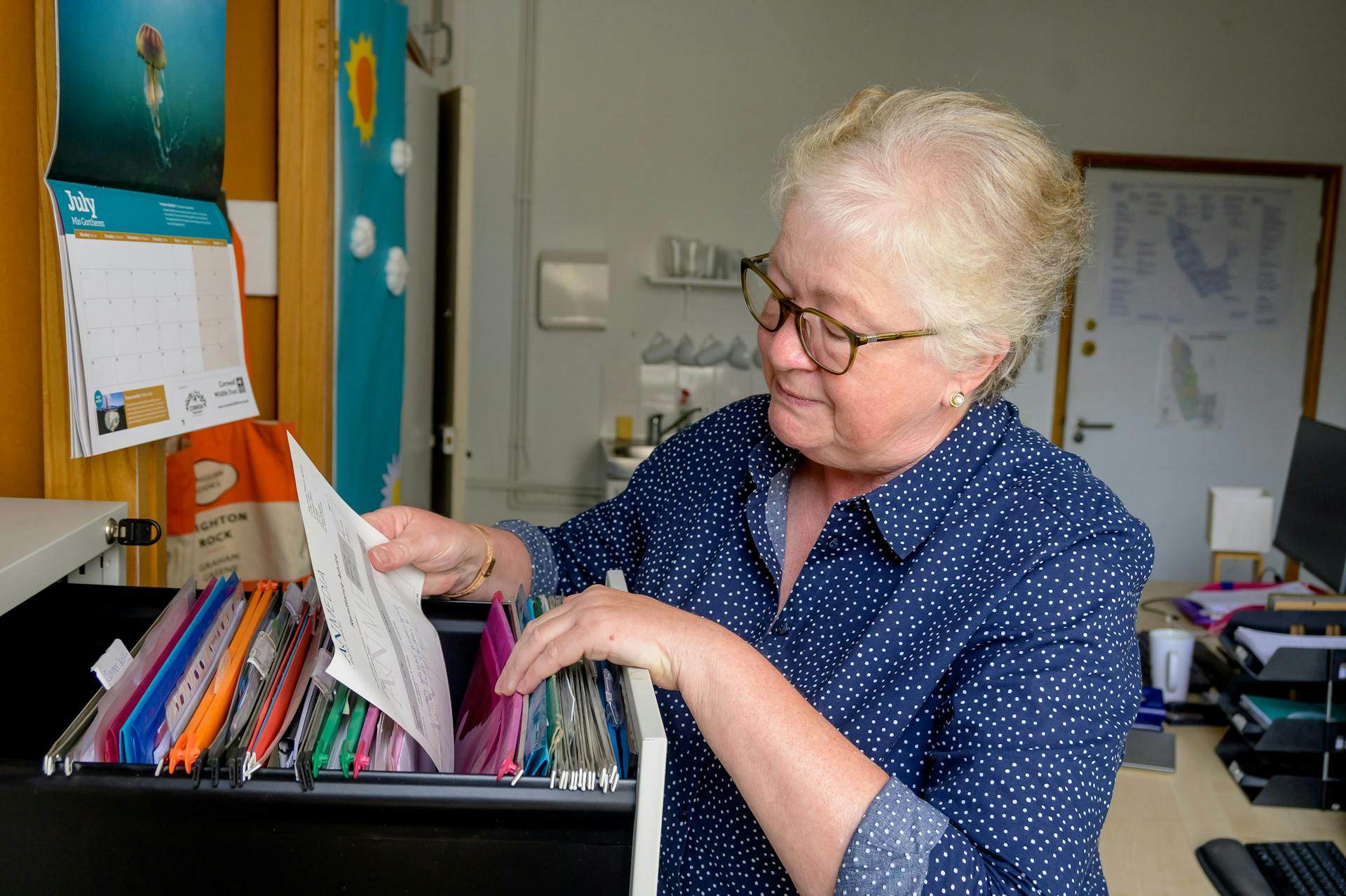
Create clearly labeled folders for legal documents, property records, insurance policies, financial account information, and medical directives. Within each folder, place the most recent version of each document at the front. Outdated drafts should be removed so they do not create confusion later.
Use a master document list that outlines what you have, where each item is stored, and who has access. This list does not need to be complicated. A single page that states, for example, “Original will be stored with an attorney” or “Property deed in home safe” can save hours of uncertainty.
Estate planning document storage becomes much easier when organization happens at the same time documents are created, not years later.
Understand the Two-Year Rule For Deceased Estates
The two-year rule for deceased estates generally refers to tax and estate settlement timeframes. In many situations, estates are expected to be administered and finalized within two years. This timeframe can impact tax treatment and how assets are distributed.
What does this have to do with document storage? If executors cannot locate records such as property titles, life insurance policies, or account statements, delays can occur. Proper estate planning document storage helps executors move through the process without unnecessary setbacks.
Keeping accurate, accessible records supports timely administration. It also reduces the chance that assets are overlooked or mishandled.
Choose Secure Document Storage that Protects Against Damage
Secure document storage involves more than locking a drawer. Paper can be affected by moisture, heat, pests, and accidental spills.
A home filing cabinet may work for short-term needs, but long-term document storage benefits from climate control and physical security. Storage facilities that offer digital gate access, monitored properties, and well-maintained units provide an added layer of protection for sensitive paperwork.
If you decide to store estate documents in a storage unit, use a locked filing cabinet or document box within the unit itself. This keeps papers organized and protected. Store them off the floor on shelving to prevent exposure to moisture.
For business owners, document storage solutions may also have tax implications. In some cases, storage units used for business purposes may qualify as deductible expenses. It is wise to speak with a tax professional and review guidance on storage unit tax deductibility.
Avoid Common Estate Planning Storage Mistakes
Even thoughtful plans can fall apart if a few common mistakes slip in.
One mistake is failing to update document locations after a move. Families relocate, attorneys retire, and storage needs change. Estate planning document storage should be reviewed whenever major life events occur.
Another mistake is forgetting to tell anyone where documents are kept. A secure location is helpful only if the right people know how to access it.
Some individuals also store documents in bank safe deposit boxes without granting access to executors. After death, accessing a safe deposit box can involve court orders and delays. Think through who needs access and confirm that permissions are in place.
Finally, do not overlook updates. Marriage, divorce, the birth of a child, or the purchase of property all call for reviewing both the documents themselves and their storage plan.
Balance Privacy and Accessibility
Estate planning document storage should protect privacy without creating barriers. You want to safeguard sensitive information, yet trusted individuals must be able to retrieve it when needed.
Have a conversation with your executor about where documents are stored. Provide written instructions that outline how to access home safes, storage units, or attorney offices. If digital files are part of your plan, document login instructions in a secure manner.
This balance is not about making everything easy to access for anyone. It is about creating a thoughtful system where access is clear for the right people at the right time.
Consider Long-Term Storage Needs For Growing Families
Families grow and change. Children become adults. Parents downsize. Businesses expand. Over time, the volume of documents can increase.
Estate planning document storage should adapt to those changes. What fits neatly in one drawer today may require additional document storage solutions in the future. A dedicated, organized storage unit can help families keep estate records separate from daily paperwork.
Climate-controlled units can be helpful for preserving paper records, framed legal documents, or archived files. When documents are stored in a clean, controlled space, they are easier to maintain and locate years later.
StoreEase offers features such as digital access and monitored properties that support secure document storage. While not every family will need off-site storage, it can be a practical option for those who want an extra layer of protection.
Review Your Estate Planning Document Storage Regularly
Estate planning is not a one-time task. Document storage should be reviewed every few years or after major life changes.
Check that originals are still in place. Confirm that contact information for attorneys and executors is current. Replace faded labels and reorganize folders if they become cluttered.
A quick annual review can prevent confusion later. It also gives you peace of mind that your documents are ready if they are ever needed.
Give Your Family Clarity For The Future
Estate planning document storage is about clarity. Clear locations, clear access instructions, and clear organization remove guesswork.
Whether you choose to store documents at home, with an attorney, or in a secure storage unit, the goal remains the same. Protect original paperwork. Maintain copies in separate locations. Keep trusted individuals informed.
If you are looking for document storage solutions that offer climate control, modern access tools, and well-maintained facilities, consider finding a StoreEase location near you. A thoughtful storage plan today can make a difficult time easier for your family tomorrow.