Military Deployment Storage: What To Do With Your Belongings
May 06, 2026


Find your Smart Storage™ unit.
We have locations across the United States providing onsite StoreEase Virtual Customer Service™ and 2 Minute Move In® contactless rental.
We have locations across the United States providing onsite StoreEase Virtual Customer Service™ and 2 Minute Move In® contactless rental.

Getting ready for deployment often means making fast decisions about things that usually sit in the background. Your couch, your car, your kitchen supplies, and even that box of important papers in the closet all need a plan. Once you leave, those items may sit untouched for months. Without the right setup, small issues like heat, humidity, or missed payments can turn into bigger problems by the time you return.
Military deployment storage is not only about finding space. It is about protecting what you own during a long absence and setting yourself up for a smoother return home. With the right approach, you can store your belongings with confidence and focus on what matters most while you are away. Read on to learn more about this often overlooked topic.
Before you start boxing things up, it helps to pause and look at everything you own with fresh eyes. A short deployment might allow you to leave some items with family or keep them in your home. A longer assignment changes the picture. Items may sit for six months, a year, or longer, and that affects how you store them.
Think through your belongings in groups. Some items still need to be accessible for a spouse or family member. Others can sit untouched in storage. A smaller group will need extra care, such as electronics, documents, or furniture that reacts to heat and humidity.
Military deployment storage works best when you make decisions item by item. A television, for example, needs different care than camping gear. A wooden dining table needs different conditions than plastic storage bins. Taking the time to sort now can save you from damage, confusion, or extra costs later.
Many service members look into government storage as part of their deployment planning. In certain situations, military programs may cover the storage of household goods tied to official orders. This can be a helpful option, especially for larger items like furniture.
At the same time, government storage is not always a complete solution. Access may be limited, and timelines may not always line up with real life. If your deployment is extended or if a family member needs to retrieve something, it may not be as simple as stopping by to pick it up.
It is also worth noting that not every item fits neatly into government storage programs. Vehicles, sensitive electronics, or items you may want access to during deployment might need a different approach. Reviewing your options early and asking questions through your command or transportation office can help you understand what is covered and where you may need to make other arrangements.
For many families, the answer is not choosing one option over the other. It is using both in a way that makes sense. Government storage may cover basic household goods tied to deployment orders. Private storage can fill gaps where flexibility or access matters most.
A private storage unit can be useful for items you may need to access during deployment. It also gives you more control over how items are stored. If you want climate control, easier access for a family member, or a specific setup for valuable items, a private unit can provide that.
For example, a set of living room furniture might be sent to government storage as part of your household goods shipment. At the same time, a box of family photos, a laptop, or important documents may be better off in a climate-controlled unit where conditions are more stable. This kind of split approach allows you to use available benefits while still protecting what matters most.
Extended storage changes how you should prepare your belongings. Items that sit untouched for months need a little extra attention before they are packed away.
Start with cleaning. Furniture should be wiped down, appliances should be emptied and dried, and clothing should be washed before going into storage. Dust, crumbs, and moisture can lead to odors or mold over time.
Next, think about how items are packed. Strong plastic bins work well for heavier items and offer better protection than thin cardboard boxes. For clothing and fabrics, sealed bags can help keep out dust and moisture. Labeling matters too. Clear labels make it easier for someone else to find what they need without opening every box.
It also helps to leave space inside the unit. Packing everything tightly might seem like a good use of space, but a little airflow can help prevent moisture buildup. Taking a few photos of your packed unit can also help later, especially if you need to guide someone to a specific item while you are away.
Not everything needs climate control, but some items benefit from it more than people expect. Heat and humidity can slowly affect materials, which is why problems often show up months later.
Wood furniture can warp or crack when temperatures shift. Leather can dry out or lose its shape. Electronics can suffer from internal damage caused by long exposure to heat. Paper items such as photos, certificates, and records can curl or stick together in humid conditions.
If you are storing items like these for an extended period, climate control is worth considering. It helps keep temperature and humidity levels steady, which can reduce the risk of long-term damage. Even if only part of your belongings require this level of care, separating those items into a climate-controlled unit can make a noticeable difference when you return.
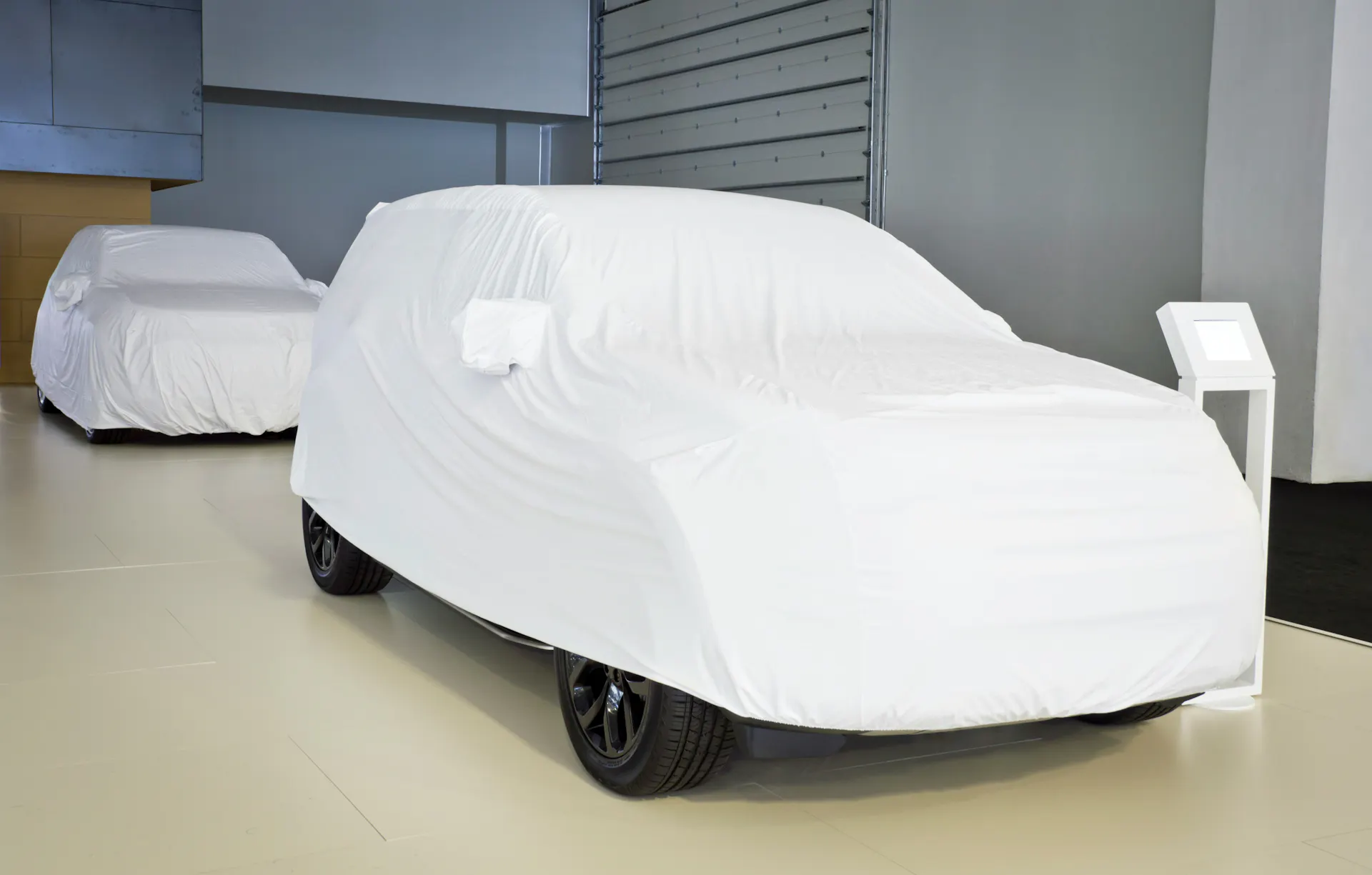
A vehicle sitting unused for months needs its own plan. Car storage military deployment planning should go beyond parking it and locking the doors.
Start with a full cleaning inside and out. Dirt, food crumbs, and moisture can cause odors or attract pests over time. Once the vehicle is clean, check fluids, tire pressure, and battery condition. Some owners choose to disconnect the battery, while others use a maintenance charger depending on the storage setup.
Think about where the vehicle will be stored. Indoor or covered storage can help protect against sun exposure and changing weather. In areas with high heat or humidity, that protection can help preserve paint, tires, and interior materials.
Insurance is another detail that should not be overlooked. Many providers offer reduced rates for vehicles in storage while still maintaining coverage against damage or theft. Reviewing your policy before deployment can help you avoid coverage gaps.
Some items should not sit in a storage unit without extra thought. Important documents and valuables deserve their own plan.
Consider what needs to stay with you, what should stay with a trusted family member, and what can be stored. Orders, identification, and travel documents usually stay with you. Records such as birth certificates, insurance paperwork, or tax documents may be better off in a secure place that someone at home can access if needed.
If you do store documents, use sealed containers to protect them from moisture. Keeping digital copies in a secure cloud account adds another layer of protection. This way, even if something unexpected happens, you still have access to key information.
How you load your storage unit matters just as much as what you put inside it. A thoughtful setup can make a big difference months later.
Place heavier items on the bottom and lighter boxes on top. Keep items off the floor when possible by using pallets or shelving. This can help protect against moisture. Furniture should be covered with materials that allow airflow rather than trap it.
Leave a small walkway if space allows. This makes it easier for someone to access items without having to unload the entire unit. Storing frequently needed items near the front can also save time and effort.
Taking a few minutes to organize the space now can make it much easier to manage while you are away and when you return.
Deployment often means relying on someone at home to handle certain tasks. If a family member or friend may need to access your storage unit, set that up ahead of time.
Make sure they understand how to enter the facility, open the unit, and locate key items. If your storage provider uses app-based access or digital locks, walk them through the process before you leave. A simple written guide with your unit number, instructions, and contact details can be helpful.
This step may seem small, but it can prevent confusion later. It also gives you peace of mind knowing someone you trust can step in if needed.
Missing a payment while deployed can create problems you do not want to deal with from a distance. Setting up automatic payments before you leave is one of the easiest ways to avoid that situation.
Check that your payment method will remain active for the length of your deployment. If a card is set to expire, update it in advance. It can also help to share account details with a trusted person in case changes are needed.
If you are using a mix of government storage and private storage, keep track of which costs are covered and which are not. Knowing what to expect helps you plan ahead and avoid surprises.
Not all storage facilities are the same, especially for long-term use. For extended storage, look for features that support long absences.
Clean units and well-maintained properties help reduce the risk of pests and damage. Gated access and video recording add another layer of protection. Climate-controlled options are important for sensitive items, and vehicle storage options can simplify your plan if you need to store a car.
Access also matters. If someone at home needs to check on your belongings, easy entry and clear systems can make a difference. Digital access, app-based controls, and simple account management can help you stay connected to your unit even while you are away.
StoreEase offers features designed with these needs in mind, including climate-controlled storage, vehicle storage options at select locations, and technology that allows you to manage your unit with ease.
Deployment comes with enough moving parts on its own. A clear storage plan helps take one major concern off your list. Military deployment storage is about more than space. It is about protecting your belongings, staying organized, and setting yourself up for a smoother return.
With the right mix of planning, preparation, and the right facility, your items can stay in good condition while you are away. If you are looking for a storage solution that fits your timeline and your needs, StoreEase offers options designed to support long-term storage with simple access and reliable features.
Find a StoreEase location near you and choose a setup that works for your next step.