Downsizing After Divorce Without Regret
For many, divorce also means moving into a smaller home or apartment. That change can feel overwhelming, especially if you’re coming from a full house filled with years of accumulated belongings.
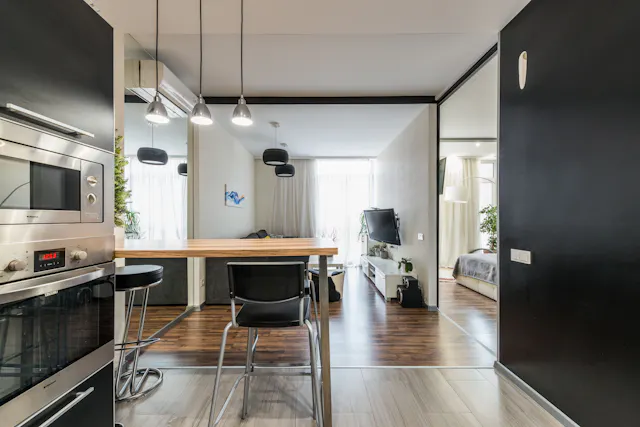
The first step is being honest about your space. If your new place has two bedrooms instead of four, or a galley kitchen instead of a full pantry, you’ll need to prioritize.
Focus on what serves you in your new life. Keep the furniture that fits the space and suits your lifestyle now. If your dining room table seats ten but your new home is more intimate, it’s okay to let that table go.
Be gentle with yourself throughout the process. Downsizing to a smaller apartment after divorce is not about discarding the past. Instead, it’s about making room for what supports your life moving forward. And if you’re not ready to part with everything, storing select pieces gives you time to decide what still matters.
Decide What to Sell, Donate, or Store
Not everything will fit in your new home. Once you’ve gone through the essentials, you’ll likely end up with a group of belongings you’re unsure about. Here’s a simple framework to help:
● Sell items that are still valuable but no longer useful to you—things like extra furniture, appliances, or duplicate items
● Donate items that are in good condition but don’t hold personal meaning
● Store items you’re not ready to part with, like keepsakes, seasonal decor, or artwork you may use again later
This approach gives you structure without forcing a quick decision. StoreEase offers secure, accessible units so you can revisit your stored items on your timeline and not someone else’s.
Protect What Matters Most
Amid the whirlwind of moving after breakups or a divorce, some items deserve extra care. Important documents, jewelry, photos, and heirlooms should be packed separately and kept with you or in a secure location.
Label boxes clearly and avoid stacking fragile or valuable items at the bottom of piles. If you’re storing these items short-term, ask about climate-controlled storage or units with 24/7 monitoring.
This added layer of protection gives peace of mind, especially during a transition where other parts of life may feel unpredictable.
Give Your New Space Structure and Comfort
Once you're in your new place, take small steps to make it feel like your own. Start with the rooms you use most, like your bedroom, kitchen, or workspace. Unpack the basics first, then layer in comfort over time.
Even if your new home is temporary, small touches matter. Hang a photo. Put out your favorite mug. Choose storage solutions that reflect how you want your space to feel: calm, functional, or clean.
If you’ve placed items in storage, make a note to check in after a few weeks or months. You may find it easier to make decisions once some time has passed.
Create a Move-Out Timeline That Works for You
There’s no universal timeline for moving after divorce. Some people need to leave quickly due to legal or financial reasons. Others have more time to prepare. Whatever your situation, try to break it down into manageable pieces:
- Choose a move-out date or a target window
- Schedule movers or reserve a moving truck
- Start packing non-essential items early
- Sort through shared belongings with a plan
Be realistic about your pace. Some days will be more productive than others. Give yourself breaks and allow time to feel whatever comes up. Moving after divorce is both a logistical project and an emotional one.
Let This Move Be a Fresh Start
Change is never easy, but it can be meaningful. Moving after divorce often brings mixed emotions: grief, relief, anxiety, and hope. All of those feelings are valid. Creating a space that reflects your needs today is a powerful step forward.
Your new home doesn’t have to be perfect. It just needs to feel like yours. Whether you’re setting up in a studio apartment, staying with family for a while, or renting a short-term place, your space can still offer peace, comfort, and clarity.
If part of getting there includes storing a few things for later, StoreEase is here to help with smarter storage solutions that work around your life.
Looking Ahead with a Little Less Weight
You don’t have to sort everything all at once. You don’t need to rush. Moving after divorce is an adjustment, but it’s also a chance to take back control: one box, one decision, one room at a time.
Let yourself move forward at your own pace. If you need more room, short-term storage can help you create it. If you need time, that’s allowed too.
Find a StoreEase location near you and discover how a little extra space can make life transitions more manageable.