Old Patio Furniture Taking Up Space? Here's What to Do With It
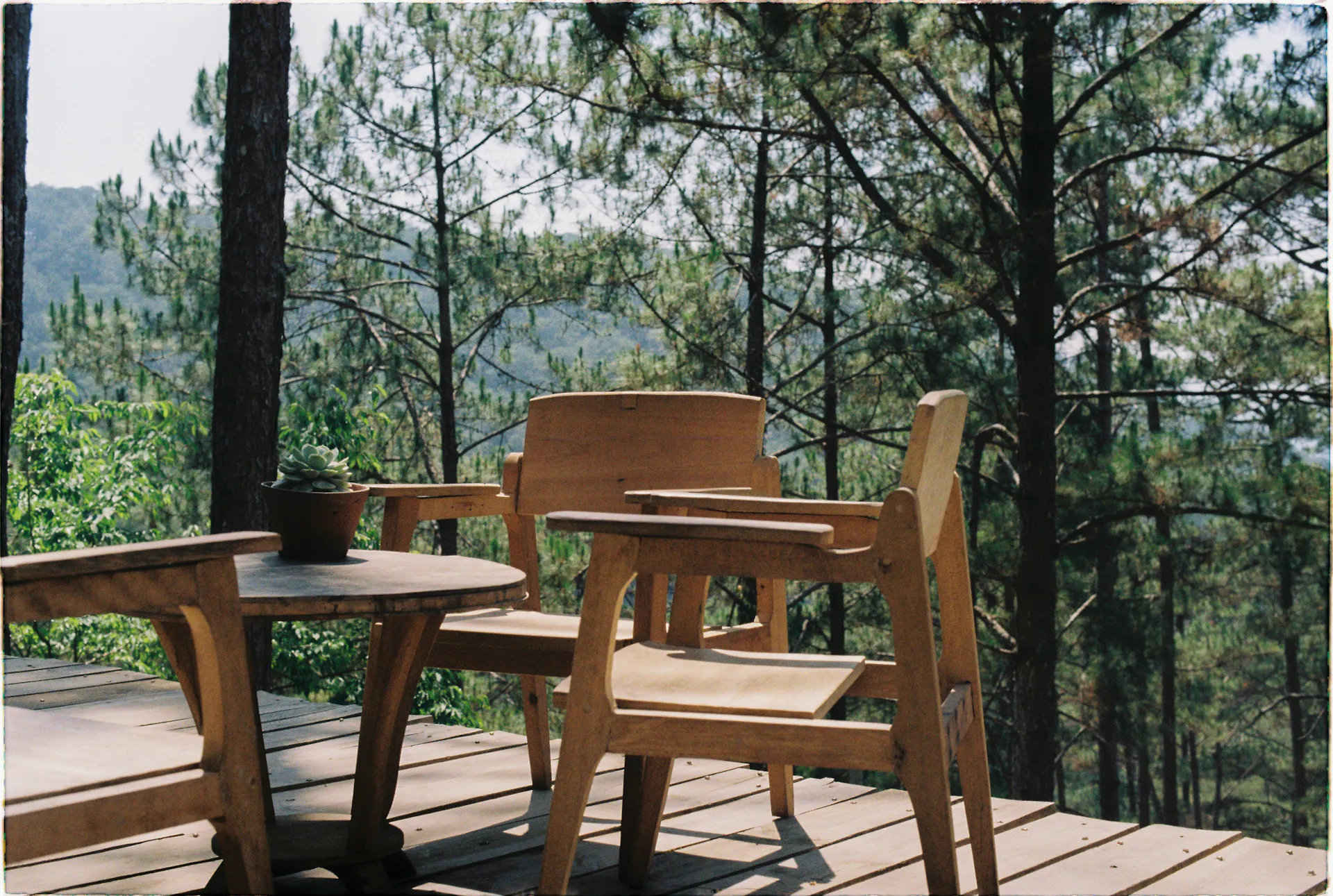
Once the weather turns, the patio set that got used all summer usually ends up shoved into a corner of the garage or left out to weather another season by accident. Deciding what to actually do with old patio furniture takes more thought than deciding to buy it did — and that decision gets more urgent in November, when garages need room for holiday decorations and spare bedrooms need to be guest-ready.
Before you shove it further into the corner, it's worth figuring out whether you're keeping it, selling it, or letting it go — because each path takes a different kind of prep.
Ask Yourself These Questions Before You Decide
A few honest questions upfront will save you from redoing this next fall:
- Is it actually damaged, or just dirty? A good cleaning fixes more than people expect.
- Did you use it all season, or once? Furniture that sat untouched probably isn't worth storing.
- Do you have somewhere dry to put it? Damp basements and uncovered yard corners cause more damage than winter itself.
- Would replacing it cost more than storing or selling it? A solid set is usually worth keeping over buying new next spring.
If it passed that check, keep reading for how to store it properly. If it didn't, skip ahead to selling or letting it go.
Store It: How to Protect Patio Furniture You're Keeping
The biggest mistake with outdoor furniture isn't storing it wrong — it's storing it dirty or damp, which invites mildew far worse than normal wear and tear.
Storing Outdoor Chairs So They Last Another Season
Wash chairs and let them dry completely before they go anywhere — a few hours in the sun is usually enough. Stack nesting chairs with a towel between each so frames don't scratch, and keep them off bare concrete or dirt, which hold moisture. A pallet or shelf works better underneath.
Keeping Outdoor Tables From Warping or Rusting
Wood tables do best somewhere with steady temperature and humidity, since swings cause warping more than cold does. A coat of wood conditioner before storing helps it hold up. Check metal tables for early rust spots and touch them up before months in storage. If the table has a glass top, remove it and store it upright and padded, separate from the frame.
Protecting Outdoor Couches and Cushions From Moisture
Cushions are where people go wrong most. Wash and fully air-dry every cushion before storing — anything even slightly damp is close to guaranteed mildew. Use breathable fabric bags instead of sealed plastic bins, which trap moisture. Frames follow the same rules: clean, dry, and off the ground.
If your garage or shed doesn't have room for all of this, once holiday bins start competing for space, a storage unit gives furniture a dry spot for the winter, with drive-up access that makes loading bulky pieces easier.
Sell It: Turning Old Patio Furniture Into Cash
If your set is in good shape but you're ready for something different, selling old furniture is often faster than expected — though fall and winter are the slowest months to sell outdoor furniture, since most buyers shop in spring.
Where to List Used Patio Furniture Locally
Facebook Marketplace and local buy-nothing or swap groups tend to move furniture fastest, since buyers are already looking locally. Community bulletin boards and secondhand furniture consignment shops are worth trying too, especially for higher-end sets.
Simple Ways to Get a Better Price
Take photos outside in good daylight, not in a dim garage. Be upfront about wear — buyers are more put off by surprises than by a fair price on an imperfect piece. Price based on what similar sets are actually selling for locally, not what you originally paid.
If you can wait, holding the listing until late winter or spring, when buyers are furnishing patios again, usually gets a better price — and storing it in the meantime keeps it protected until then.
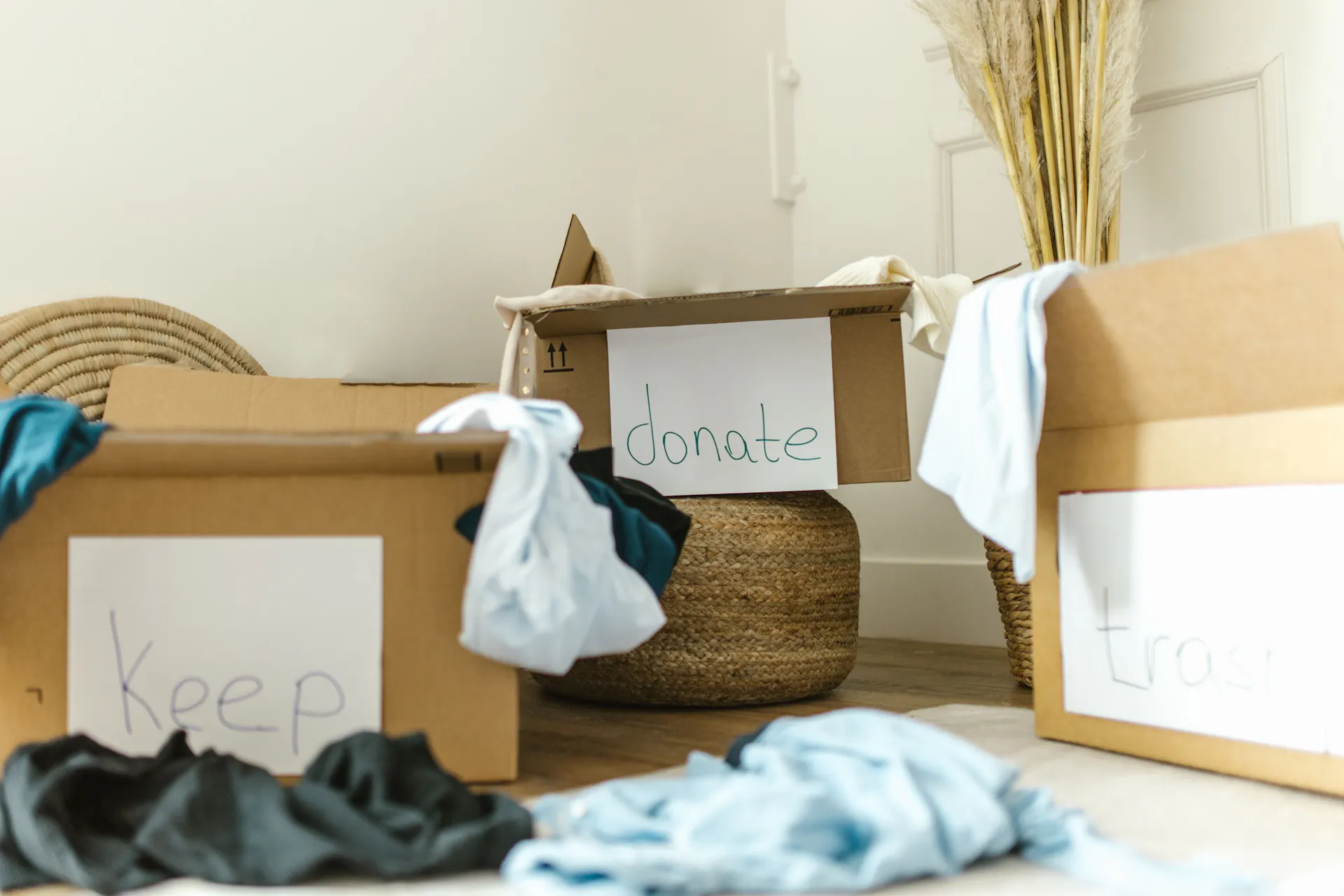
Let It Go: Donating or Disposing of Patio Furniture Responsibly
Not every set is worth storing or selling, and that's fine — sometimes getting rid of old furniture responsibly is the better move than putting it at the curb.
Where to Donate Furniture That's Still in Good Shape
Thrift stores, local Habitat for Humanity ReStore locations, and community shelters often accept gently used outdoor furniture, though policies vary by location — worth a quick call first. Buy-nothing groups are a good option too, for pieces that are still functional but not sellable.
What to Do With Furniture That's Too Worn to Donate
Check your city's bulk trash pickup schedule before hauling it out yourself, since rules and timing vary by city. Metal frames — aluminum, wrought iron, steel — can often go to a local scrap metal recycler instead of the trash, usually for free or a small payout. Cushions and fabric typically aren't recyclable, but the frame is often worth separating out first.
Clearing Space Before the Holidays
Whichever path you land on, clearing out old patio furniture usually comes down to making room — for holiday decorations, for guests, or just for a garage you can walk through again.
If you're keeping your furniture but don't have anywhere dry to put it once the holiday bins come out, a nearby StoreEase unit gives it a secure spot until spring — sized for anything from a couple of chairs to a full patio set, with drive-up access so you're not hauling it through the house. Find a StoreEase location near you before the season gets any busier.



Find your Smart Storage™ unit.
We have locations across the United States providing onsite StoreEase Virtual Customer Service™ and 2 Minute Move In® contactless rental.