How Storage Solutions Can Help You During Corporate Relocation
May 20, 2026

Find your Smart Storage™ unit.
We have locations across the United States providing onsite StoreEase Virtual Customer Service™ and 2 Minute Move In® contactless rental.
We have locations across the United States providing onsite StoreEase Virtual Customer Service™ and 2 Minute Move In® contactless rental.
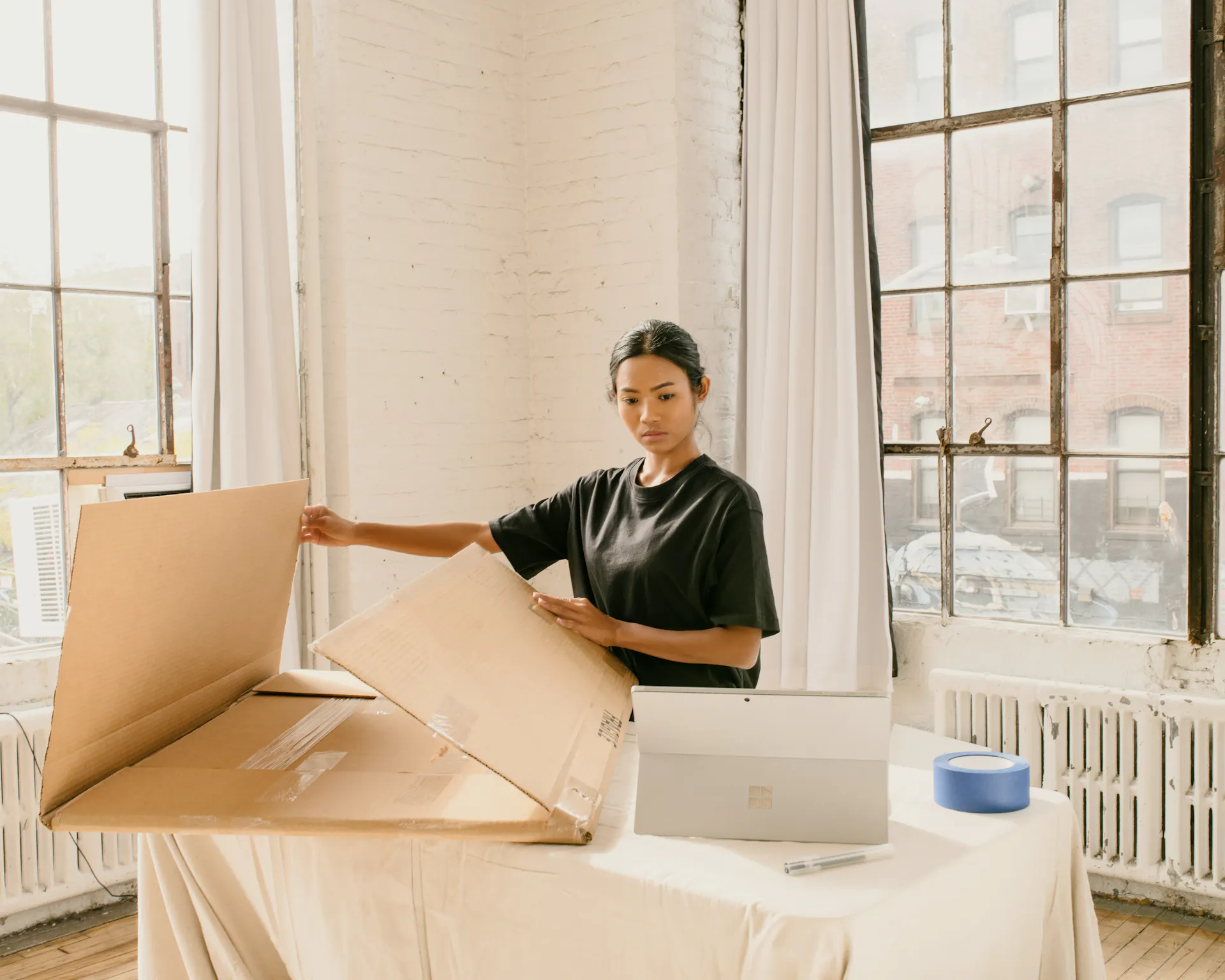
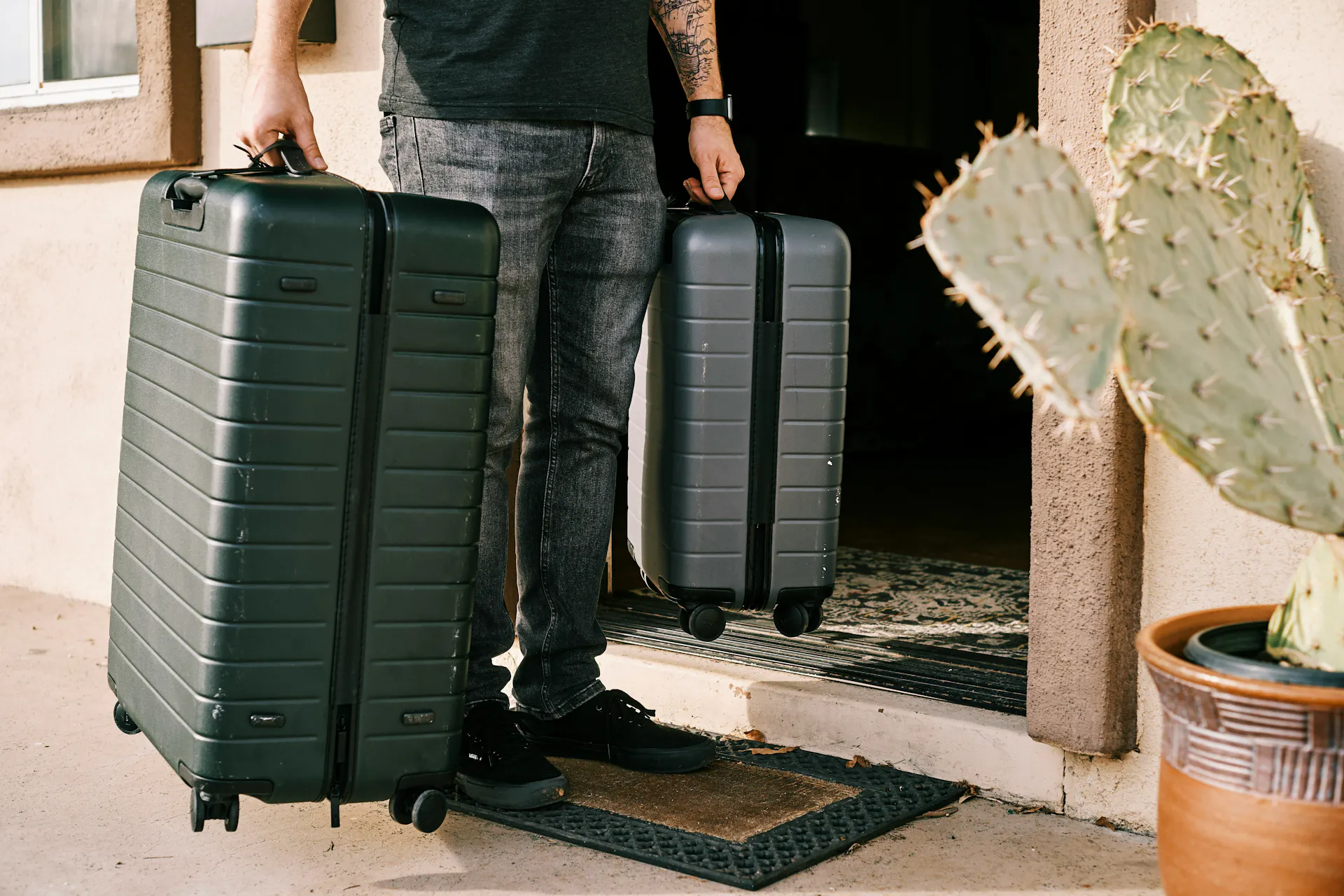
You unlock the door to your temporary housing, set your bags down, and take a breath. This is the start of something new. Then the boxes arrive.
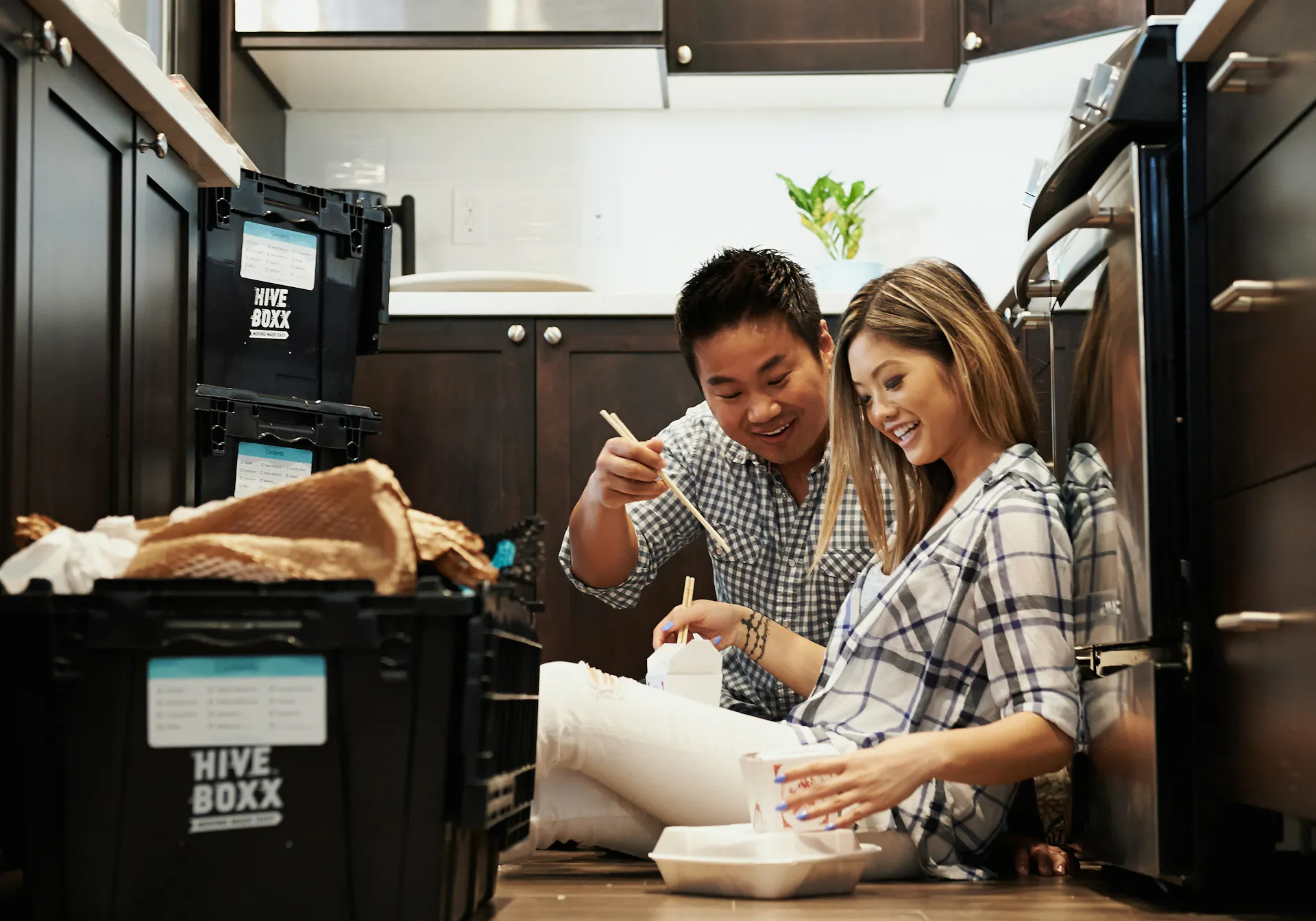
What felt manageable during packing suddenly feels overwhelming. The kitchen fills up first. Then the bedroom closet. Soon, your living space starts to shrink, and the place that was meant to be a short-term landing spot turns into a storage unit you happen to sleep in.
This is the part of corporate relocation that rarely gets discussed. The logistics are handled. The job is secured. But the day-to-day experience of living among your belongings while trying to settle into a new routine can quickly wear you down.
That is where storage becomes less of a convenience and more of a strategy. Read on to learn more about storage solutions while staying in temporary housing.
Corporate housing serves a purpose. It gives you a place to land while you figure out your next move. It is clean, furnished, and efficient. What it is not designed for is holding everything you own.
Most temporary apartments assume you are arriving with a suitcase, not a household. Even if you try to bring only what you need, it adds up fast. Extra clothes, work materials, kitchen items, seasonal gear, and personal belongings all compete for limited space.
Picture a family relocating for a new role. They may be living in a two-bedroom furnished apartment while waiting for a permanent home. Their dining table becomes a workspace. Their spare room becomes a storage zone. Boxes line the walls, and simple tasks like finding a jacket or preparing dinner take longer than they should.
Without a plan, clutter becomes part of daily life.
A lot of people think about storage as something you use only if things go wrong. In reality, it works best when it is part of the plan from the beginning.
Storage creates breathing room. It allows you to separate what you need right now from what can wait. That distinction alone can change how your temporary space feels.
Instead of trying to fit everything into a small apartment, you can store furniture, extra boxes, or items you will not need until you move into a permanent home. This keeps your living area functional and gives you a clearer sense of control during a time that can feel unpredictable.
For example, if your relocation includes a three-month stay before closing on a home, it makes little sense to unpack every item you own. A storage unit lets you keep things organized without creating unnecessary work for yourself.
Relocation disrupts more than your address. It affects your habits, your schedule, and your sense of normalcy. Small frustrations can build up quickly when your environment feels crowded or disorganized.
Storage helps restore a sense of routine. When your space is not filled with boxes, it becomes easier to establish daily habits again. You can cook without moving items around. You can work without clearing a table first. You can relax without constantly being reminded that you are in transition.
Consider someone starting a new job in a different city. Their focus should be on learning their role, meeting new colleagues, and adjusting to a new environment. If they are spending their evenings reorganizing clutter or searching through boxes, that adjustment becomes harder than it needs to be.
A well-timed storage solution removes that friction.
One of the most challenging parts of corporate relocation is that everything rarely lines up perfectly. Your start date, lease dates, home purchase timeline, and moving schedule often operate on different tracks.
You might need to leave your current home before your new one is ready. You might arrive in your new city weeks before your belongings do. You might close on a house but not be able to move in immediately.
Storage fills those gaps.
Instead of rushing decisions or trying to coordinate every detail perfectly, you can use storage as a flexible middle step. Your belongings can be stored safely while you finalize your housing situation, giving you time to make thoughtful rather than reactive choices.
For instance, a family waiting on construction or renovations to finish on a new home can store their furniture rather than moving it twice. This reduces wear on their belongings and simplifies the overall process.
Corporate relocations often involve long distances. Items may be in transit for days or even weeks. During that time, they are exposed to handling, temperature changes, and shifting conditions.
A reliable storage solution provides a controlled environment for your belongings. Climate-controlled units can help protect items like electronics, documents, and furniture from humidity and temperature swings. This is especially important in regions where the weather can be unpredictable.
Think about items like family photos, important paperwork, or wooden furniture. These are not things you want to risk in an uncontrolled environment. Storage gives you a place where those items can remain stable until you are ready to bring them into your new home.
The end of a relocation can feel just as hectic as the beginning. Once your permanent home is ready, you are eager to settle in quickly. At the same time, you are still managing work responsibilities and daily life.
Having part of your belongings already in storage can make this final step more manageable.
Instead of unloading everything at once, you can move items in stages. Start with essentials. Then bring in additional items as you organize your space. This approach reduces the pressure to unpack everything immediately and allows you to set up your home more intentionally.
For example, you might move your bedroom and kitchen items first, then retrieve decorative pieces or seasonal items later. This creates a smoother transition and helps you avoid feeling overwhelmed.
Relocation affects everyone in the household. Children, in particular, can feel the disruption more intensely. A crowded and chaotic living space can make it harder for them to adjust to a new school, new friends, and a new routine.
Storage can help create a more stable environment.
By reducing clutter, you create space for familiar items that matter most. A child’s favorite toys, books, or comfort items can be easily accessible, while less essential belongings are stored away. This helps maintain a sense of normalcy during a period of change.
Even small improvements in the living environment can have a meaningful impact on how the transition feels for the entire family.
Relocation often involves big decisions. Where will you live long-term? What neighborhood fits your lifestyle? What furniture works in your new space?
Trying to answer these questions while surrounded by boxes can make the process more stressful.
Storage allows you to slow down and think more clearly. You are not forced to make quick decisions just to clear space. You can take time to explore your new city, understand your needs, and make choices that fit your situation.
For instance, you might decide that certain pieces of furniture do not work in your new home. Having them in storage gives you time to evaluate whether to keep, sell, or donate them without feeling rushed.
Relocation is a series of adjustments. Some happen quickly. Others take time. The more control you have over your space, the easier those adjustments become.
If you are preparing for a corporate move or are currently in the middle of one, consider how storage could support your transition. It can turn a crowded, temporary space into one where you can actually live, work, and rest.
StoreEase offers flexible storage options designed to fit real-life transitions. With convenient locations and a range of unit sizes, you can find a solution that fits your timeline and needs.
Take a moment to explore a StoreEase location near you and see how a little extra space can make a big difference.