The Indianapolis Guide to Winter Vehicle Storage and Maintenance
Dec 17, 2025



Find your Smart Storage™ unit.
We have locations across the United States providing onsite StoreEase Virtual Customer Service™ and 2 Minute Move In® contactless rental.
We have locations across the United States providing onsite StoreEase Virtual Customer Service™ and 2 Minute Move In® contactless rental.
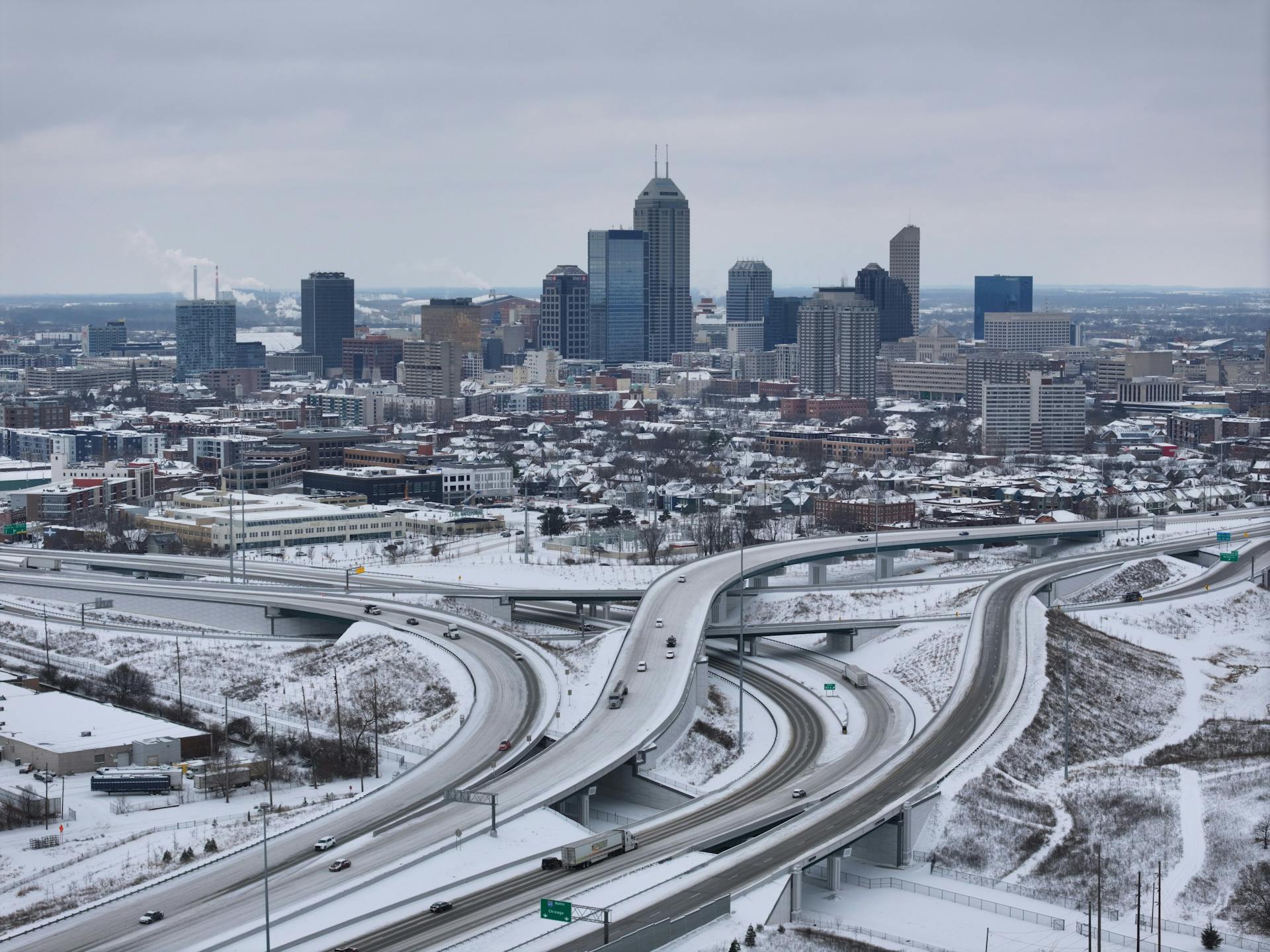
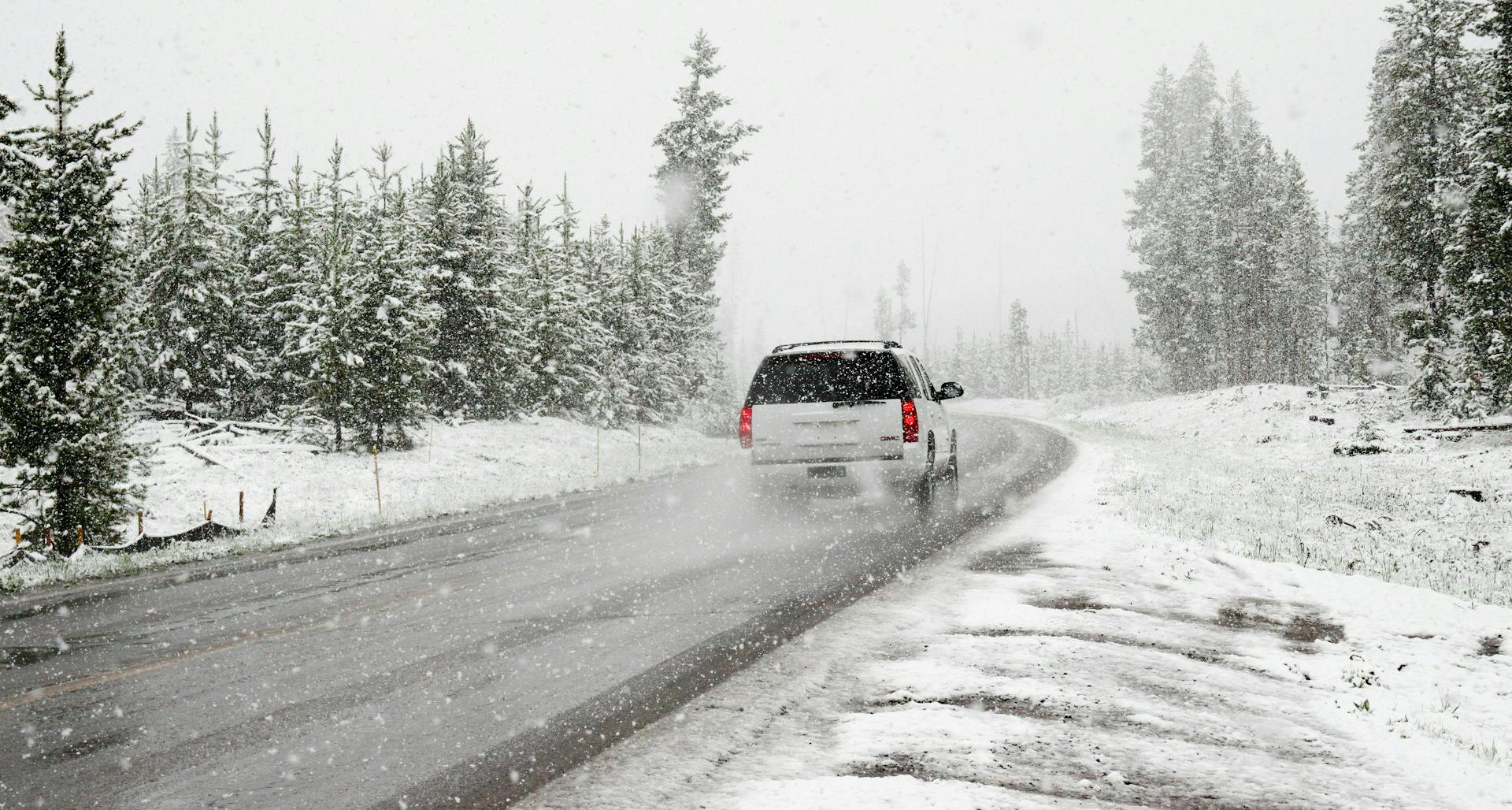
Living in the Midwest means you develop a certain resilience to the elements. You know that the weather can turn on a dime. One week might offer mild autumn temperatures, and the next brings a deep freeze that tests the limits of your home and vehicle. Surviving an Indianapolis winter requires more than just a heavy coat and a snow shovel. You need to plan to protect your investments.
The fluctuating temperatures and precipitation patterns typical of this region wreak havoc on cars, trucks, motorcycles, and even lawn equipment. Rust, corrosion, battery failure, and tire damage are common issues come springtime. Fortunately, you can mitigate these risks with the right preparation. This guide covers everything you need to know to keep your vehicles running smoothly or stored safely until the thaw.
To effectively protect your property, you must first understand the specific threats posed by the local environment. Indianapolis's winter weather presents a unique set of variables that differ from those in other parts of the country.
The primary enemy here is the freeze-thaw cycle. Temperatures frequently dip below freezing at night and rise during the day. This constant expansion and contraction puts immense stress on seals, gaskets, and metal components. Additionally, moisture from snow and ice melt can seep into small cracks in the pavement and your vehicle. When that moisture refreezes, it expands, causing damage that accumulates over time.
Road treatment is another significant factor. The city and state use salt and brine solutions to keep roads passable during a winter storm. While these chemicals are necessary for safety, they are highly corrosive to your vehicle's undercarriage. If left untreated, this salt accelerates oxidation, leading to rust on brake lines, exhaust systems, and body panels.
If you plan to drive your vehicle throughout the season, you need to ensure it is mechanically sound. A breakdown in sub-zero temperatures is dangerous. Follow this checklist to get your daily driver road-ready.
Traction is your first line of defense on slick roads. As temperatures drop, so does your tire pressure. You lose approximately 1 PSI of tire pressure for every 10-degree drop in ambient temperature. Check your pressure regularly to ensure optimal contact with the road.
Tread depth is equally important. If your tires are worn, you will struggle to grip the pavement in slush or snow. Many mechanics recommend switching to dedicated winter tires. The rubber compound in winter tires stays flexible in cold weather, providing superior grip compared to all-season tires that harden when the thermometer drops.
Cold weather significantly reduces a battery’s cranking power. At 32°F, a battery loses about 35% of its strength. At 0°F, that loss increases to 60%. If your battery is more than three years old, you should have it tested. Most auto parts stores offer this service for free. Replacing a weak battery now saves you from being stranded in a parking lot during a blizzard.
Your engine relies on fluids to regulate temperature and lubricate moving parts. Ensure your oil is at the correct level and viscosity for cold-weather usage. Check your coolant (antifreeze) mixture. A 50/50 mix of antifreeze and water is standard, but you might need a different ratio for extreme cold. Finally, switch to a winter-grade windshield washer fluid. These formulas contain additives that prevent freezing on your windshield, which is vital for visibility during winter weather in Indianapolis.
Many of you own vehicles that do not see the road between November and March. Motorcycles, classic cars, RVs, and boats require different care than your daily commuter. Leaving these items in the driveway or backyard exposes them to the harshest winter conditions in Indianapolis.
Gasoline degrades over time. If you leave untreated fuel in a tank for several months, it can separate and gum up the fuel injectors or carburetor. You should add a high-quality fuel stabilizer to the tank and run the engine for a few minutes to circulate the treated fuel through the system. This simple step prevents costly engine repairs in the spring.
Rodents seek warmth when temperatures drop. An idle vehicle offers plenty of hiding spots in the engine bay, exhaust pipes, and interior. Mice can chew through wiring harnesses and upholstery, causing thousands of dollars in damage. Seal off tailpipes and air intakes with steel wool to keep pests out. Remove all food sources from the cabin.
You might think a tarp or a heavy-duty car cover provides sufficient protection. While covers help keep snow off the paint, they trap moisture underneath. This trapped moisture creates a greenhouse effect that promotes mold growth on the interior and rust on the exterior. Furthermore, a fabric cover offers zero protection against falling tree limbs or hail during a violent Indianapolis winter storm.
The most effective way to preserve the value of your vehicle or equipment is to remove it from the environment entirely. Utilizing professional storage facilities protects your assets from corrosive salt, damaging UV rays, and the erratic temperature swings of winter in Indianapolis.
Climate-controlled storage maintains a consistent temperature range. This stability prevents the expansion and contraction that leads to cracked leather, warped wood, and compromised seals. It keeps humidity levels in check, preventing rust from forming.
For owners of sensitive equipment such as vintage cars or high-end motorcycles, climate control is essential for preservation. It ensures that when the warm weather returns, your vehicle emerges in the exact same condition you left it.
You need a storage solution that works as hard as you do. StoreEase provides state-of-the-art facilities designed to address the challenges of winter in Indianapolis.
We offer secure, climate-controlled units that protect your valuables from the elements. Our facilities feature advanced security monitoring, giving you peace of mind that your property is safe day and night. Unlike traditional storage options with restrictive hours, StoreEase uses smart technology to let you access your storage on your schedule. You can retrieve your vehicle or check on your equipment without navigating a front desk or waiting for office hours.
Indianapolis’s winter weather is difficult enough without worrying about your vehicles' safety. Let us handle protecting your assets so you can focus on enjoying the season.
Check out the climate-controlled drive-up storage units available at our Indianapolis location and secure your unit before the first freeze hits. If you’re not in the Indianapolis area, you can find a StoreEase facility near you to learn how they can help.