How to Store Camping Gear During the Off-Season
Aug 26, 2026


Find your Smart Storage™ unit.
We have locations across the United States providing onsite StoreEase Virtual Customer Service™ and 2 Minute Move In® contactless rental.
We have locations across the United States providing onsite StoreEase Virtual Customer Service™ and 2 Minute Move In® contactless rental.


The last camping trip of the season is over, and now your tent, sleeping bags, and cookware need somewhere to go until spring. How you pack them away matters just as much as how you used them. Damp fabric grows mildew in weeks, compressed sleeping bags lose their insulation, and fuel canisters stored the wrong way can turn into a real hazard.
A little prep work now saves you from unpacking ruined gear later. This guide walks through cleaning, drying, and storing every major piece of camping equipment, as well as the mistakes that cause the most damage. At StoreEase, we know gear takes up real space in a garage or closet, so we'll also cover where to keep it when your home runs out of room.
Camping gear works hard for a few months and then sits still for the rest of the year. That stillness is where the damage happens. A tent packed away with a little morning dew still on it can grow mold within days, and that mold eats away at the waterproof coating. A sleeping bag left compressed in its stuff sack for months loses the loft that keeps you warm, since the insulation fibers flatten and stop springing back. Fuel canisters stored near heat or in a sealed container can leak or, in rare cases, become dangerous. None of this happens because campers are careless. It happens because gear gets shoved in a bin at the end of a long weekend, and nobody thinks about it again until the next trip is a week away.
Unless you want to replace your camping gear each year, proper storage is a must. Let’s look at some of our top tips to keep your camping gear safe and sound so that it can keep you safe and sound when out in the woods.
Every piece of camping gear should be clean and completely dry before it goes into storage. Dirt holds moisture, and moisture is what invites mold, mildew, and odor. Wipe down hard surfaces like coolers and cookware, hand-wash fabric items with a mild, non-detergent soap made for outdoor gear, and rinse thoroughly to ensure no soap residue is left behind.
Once everything is clean, the drying step matters even more than the washing step. Lay tents, tarps, and rain flies out flat or hang them somewhere with good airflow until they are bone dry, not just dry to the touch. Leave cooler lids open for a day or two so trapped moisture can escape rather than turning into mildew over the winter. If you're short on time before a trip, it's tempting to skip this step, but it's the single biggest factor in whether your gear survives the off-season in good shape.
A tent should go into storage clean, completely dry, and loosely packed. Shake out dirt, sand, and leaves, then wipe down the poles and stakes so nothing corrodes in storage. Skip the tight factory stuff sack for long-term storage and use a large mesh or cotton bag instead, since loose packing prevents the fabric from developing permanent creases and allows a small amount of air to circulate.
A damp tent packed into storage is the fastest way to end up with mildew stains and a musty smell that's nearly impossible to remove later. If you're ever unsure whether a tent is fully dry, set it up one more time in a garage or spare room and let it sit overnight before packing it away.
Sleeping bags need room to breathe. Compressing a sleeping bag for months at a time crushes the insulation, whether it's down or synthetic fill, and that loss of loft is often permanent. Store sleeping bags loosely in a large breathable storage sack or hang them in a closet instead of leaving them in the small stuff sack used for backpacking. Down bags in particular should be stored somewhere dry, since down loses its insulating power when it absorbs moisture. A sleeping bag that's properly cared for between trips can last for many seasons, while one left compressed all winter often needs replacing much sooner.
Cooking gear should be scrubbed free of grease and food residue before storage, since leftover food attracts pests even in a sealed container. Dry every pot, pan, and utensil fully before packing them together to prevent rust on metal surfaces.
Camp stoves require a bit more care because of the fuel they use. Disconnect fuel canisters from the stove before storage, and store them in a cool, dry, well-ventilated space away from heat sources and open flames, since propane and other pressurized fuels can pose a hazard if stored improperly. The Consumer Product Safety Commission notes that fuel should never be stored near ignition sources, including pilot lights and space heaters. Keeping stove fuel separate from your other gear in a spot that meets these conditions is one of the simplest ways to prevent a preventable accident.
Empty every pocket of your backpack, including the ones you forget about, since leftover snacks and damp gear left inside over the winter cause the worst odors and stains. Wipe down the fabric, let it air-dry fully, and store the pack loosely rather than cinched down tight, so the straps and frame keep their shape. If your backpack has a hydration bladder, clean it separately with a mild vinegar solution and let it air dry completely open, since a bladder packed away even slightly damp will grow mold in the tubing.
Common mistakes that damage camping gear tend to repeat themselves every year. Storing a tent while it's still damp is the most common one, and it's also the one most likely to ruin the gear entirely once mildew sets in. Compressing sleeping bags into small sacks for months at a time is a close second, since it quietly shortens the life of the insulation without any obvious sign until the bag stops keeping you warm.
Storing camp stove fuel in a sealed bin, a hot garage, or anywhere near a water heater or furnace pilot light also creates real risk, since heat buildup and poor ventilation are exactly the conditions that make stored fuel dangerous. Avoiding these three mistakes alone will keep most camping gear in solid shape from one season to the next.
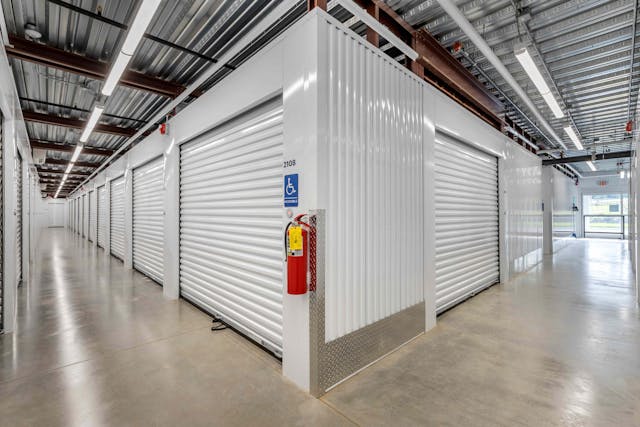
Camping gear takes up more room than most people expect once tents, sleeping bags, coolers, and backpacks are all accounted for, and that space isn't always available in a closet or garage. A self-storage unit gives you a dedicated spot to keep everything organized and out of the way until your next trip, and it frees up the space at home that gear tends to take over between seasons. Fabric items like tents and sleeping bags do best somewhere the temperature and humidity stay steady, which is exactly what climate-controlled storage is built for. If you're not sure how much space your gear actually needs, our size guide can help you match your equipment to the right unit before you rent.
We built StoreEase around making that process simple. With 2 Minute Move-In, you can rent a unit and start using it the same day, and Virtual Customer Service means help is available on-site if you ever need it. You already know your gear better than anyone. Give it a place to rest that keeps it ready for the next trip.
Ready to find the right spot for your camping gear? Find a StoreEase location near you, and get your unit set up in minutes.