How to Safely Store Your Patio Heater and Other Winter Appliances
Apr 08, 2026



Find your Smart Storage™ unit.
We have locations across the United States providing onsite StoreEase Virtual Customer Service™ and 2 Minute Move In® contactless rental.
We have locations across the United States providing onsite StoreEase Virtual Customer Service™ and 2 Minute Move In® contactless rental.
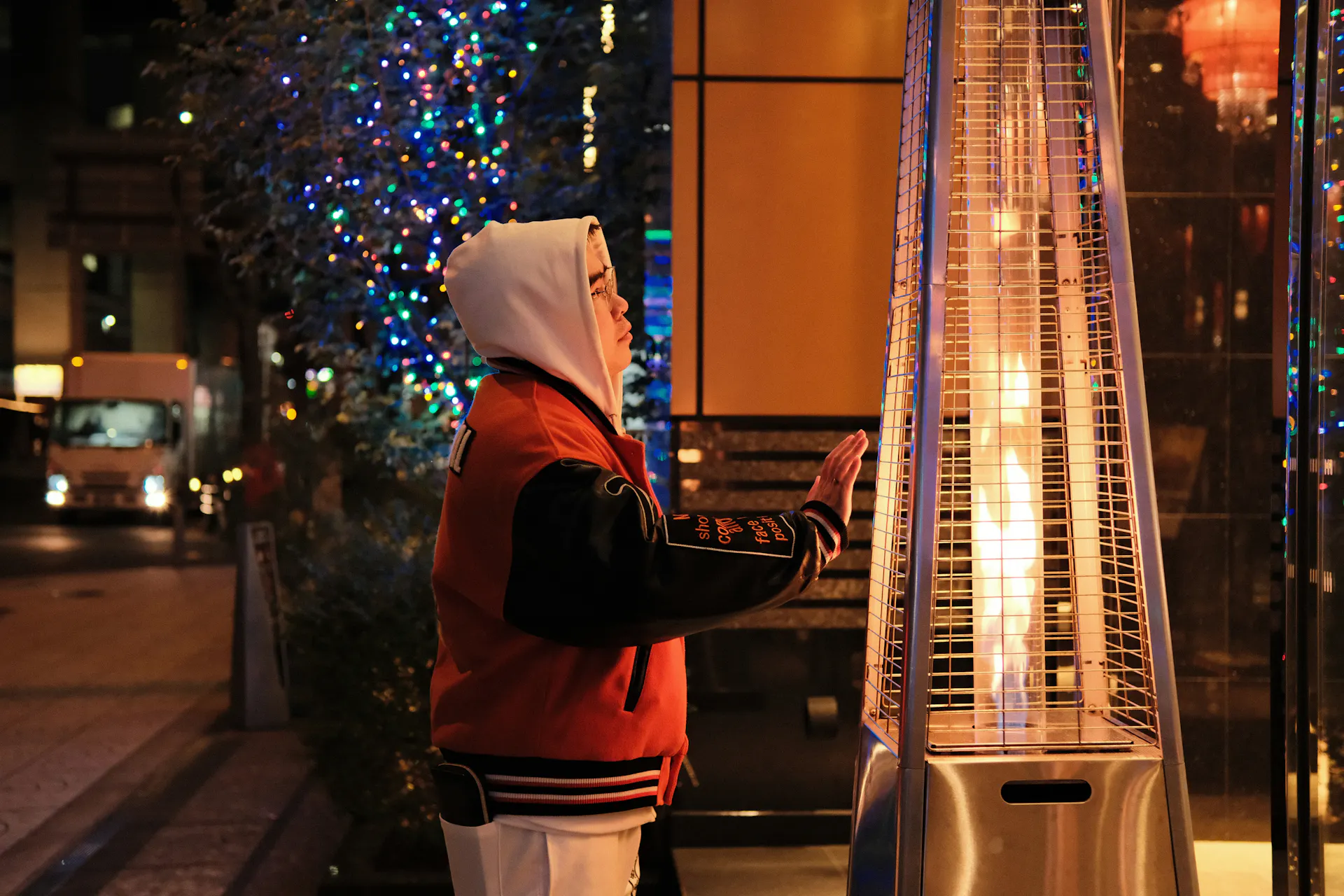
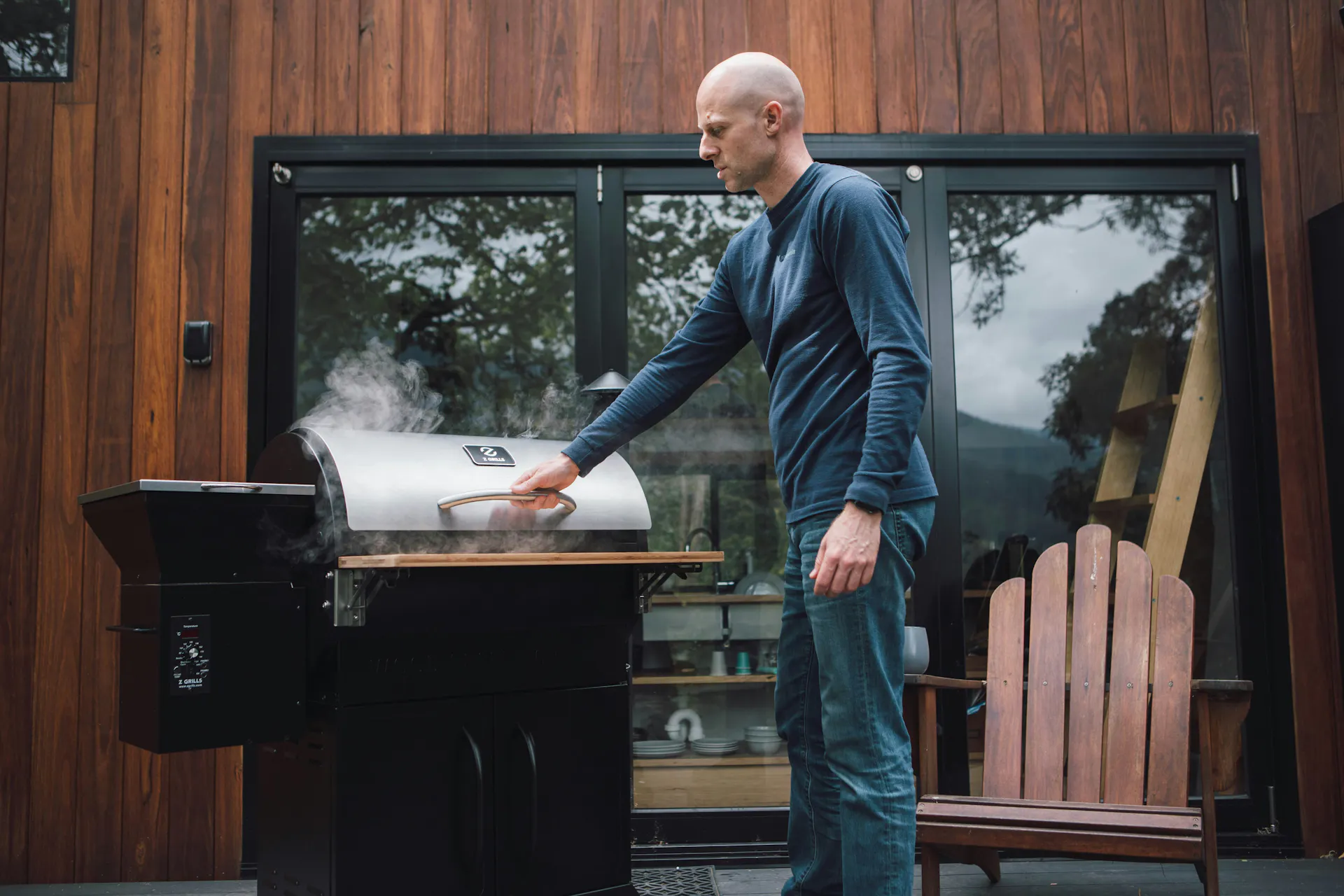
Outdoor living spaces often stay busy year-round. Patio heaters keep gatherings comfortable on cool evenings. Outdoor kitchens host late-season dinners. Fire pits and grills extend time outside even as the weather shifts. As winter winds down and outdoor entertaining shifts toward warmer-weather activities, appliances like patio heaters, fire pits, and winter cooking equipment often get used less frequently. Before storing them away for the warmer months, it’s important to clean, inspect, and store them properly.
That quiet stretch can take a toll. Moisture settles into metal parts. Dust collects inside vents and burners. Small pests explore warm hiding spots inside grills or heaters. Over time, many homeowners uncover rusted surfaces, clogged burners, or electrical components that refuse to power on.
A little preparation makes a major difference. Proper patio heater storage and thoughtful outdoor appliance storage help protect these investments through the off-season. With the right cleaning, preparation, and storage approach, patio heaters, grills, and outdoor kitchen appliances can stay in good condition and ready for use next season.
Because patio heaters, fire pits, and other winter outdoor appliances work hard through the colder months, storing them properly once spring arrives helps protect them until the next cool season. Read on to walk through practical steps to protect winter appliances from rust, weather damage, and prolonged inactivity.
Patio heaters are built for outdoor use, but they are not meant to sit unprotected for months. Metal surfaces collect moisture. Fuel connections gather dust and debris. Electrical parts in modern heaters can degrade when exposed to constant humidity or temperature swings.
Many homeowners simply place a cover over the heater and leave it on the patio. That might work for short stretches of mild weather, but it rarely works for long-term storage. Moisture often becomes trapped beneath plastic covers, creating the perfect environment for corrosion.
A heater that worked perfectly through the winter may show rust spots or clogged burners if it is stored improperly once the season ends.
Patio heater storage helps avoid those problems. Cleaning the unit, drying it thoroughly, disconnecting the fuel, and placing it in a protected location keep components in better shape. The result is a heater that starts easily and performs as expected when you need it next.
The same cleaning and storage approach works for many outdoor kitchen appliances, including grills, smokers, and outdoor refrigerators.
One of the most common mistakes during patio heater storage is skipping the cleaning step. Dirt and residue left on the heater sit on its surface for months, slowly damaging the finish.
Start by wiping down the exterior of the heater. A soft cloth and mild cleaning solution remove dust, pollen, and outdoor grime from the frame, base, and reflector. Pay attention to areas where dirt collects, such as around control knobs and along seams in the metal housing.
The heating element and burner area also deserve attention. Soot and debris can gather around the burner over time. Removing this buildup helps prevent blockages and keeps the heater working smoothly the next time it is used.
After cleaning, allow the heater to dry completely. Even a small amount of trapped moisture can create rust spots during long storage periods. Leaving the heater uncovered for a few hours in a dry area gives all surfaces time to dry before moving it into storage.
Once the heater is clean, take a few minutes to look over the parts that make it run.
Propane heaters rely on hoses and connectors to safely carry fuel to the burner. Inspect the hose for cracks, stiffness, or worn areas near the connections. If the material looks brittle or damaged, replacing the hose before next season is a smart step.
Electric patio heaters have their own points to check. Look at the power cord and plug for frayed insulation or bent prongs. Wrap the cord loosely so it does not kink or fold sharply during storage.
Some heaters include detachable pieces such as protective caps, wheels, or burner covers. Placing these parts in a small labeled bag keeps everything together. When cooler weather returns, there will be no guessing about where each piece belongs.
Propane tanks require their own storage approach. Even when disconnected from a patio heater, they should not be stored indoors.
Propane tanks need open airflow around them. A shaded outdoor location works best. Many homeowners place tanks along the side of the house or in a covered area of the yard where they remain upright on a stable surface.
Keeping propane tanks separate from patio heater storage is an important safety step. While the heater itself can sit in a garage, shed, or storage unit, the tank should stay outside where gas cannot build up in an enclosed space.
Before storing the tank, close the valve tightly and check that the protective cap is secure. This simple step protects the valve from damage during the off-season.
The location where appliances are stored matters as much as how they are prepared.
Many homeowners store patio heaters and grills in the garage. This works well if the space stays dry and protected from large temperature swings. A garage also makes it easy to access equipment if an unexpectedly cool evening calls for a heater.
Sheds can also serve as a storage spot, though they often experience greater temperature changes. Moisture may collect inside poorly ventilated sheds, potentially affecting metal surfaces.
When space at home becomes tight, self-storage offers another option. Patio heaters, grills, outdoor furniture, and outdoor kitchen appliances can take up a surprising amount of room in a garage. Moving these items into a storage unit frees up valuable space at home.
Some appliances handle temperature changes without issue. Others benefit from a more stable environment.
Patio heater storage often works well in standard storage areas as long as the heater is clean and dry. Grills and smokers can also tolerate a range of temperatures if they are protected from moisture.
Appliances with electrical components sometimes need more protection. Outdoor refrigerators, electric heaters, and digital cooking equipment may contain wiring or control boards that do not react well to long exposure to humidity.
In those cases, climate controlled outdoor appliance storage offers added protection. The consistent environment helps prevent condensation from forming on internal components.
A little organization during storage saves time later.
Keeping parts with the main appliance prevents confusion. Hardware, protective covers, and manuals can be placed in a sealed container stored alongside the heater or grill.
It also helps to note anything that needs repair. A worn hose or loose wheel is easier to address during the off-season rather than right before the first spring gathering.
Many homeowners keep a simple checklist for storing patio heaters and other outdoor appliances. The list includes cleaning, drying, disconnecting fuel, and covering or storing the appliance. Following the same steps each year keeps the process simple.
Outdoor living equipment adds comfort and fun to a backyard, but it can also take up a lot of space during the off-season. Patio heaters, grills, and outdoor kitchen appliances can quickly crowd a garage or shed.
Using self-storage creates room at home while protecting seasonal equipment. Clean, secure storage units provide a place for appliances to sit safely until they are needed again.
If you are also storing patio furniture, cushions, or other backyard items, keeping everything together in one space can make seasonal transitions much easier. For additional guidance, explore our Guide to Storing Outdoor Furniture for tips on protecting outdoor items.
Patio heaters and outdoor appliances help create memorable moments outside, from cool evening gatherings to weekend cookouts. Once the colder season ends, properly storing patio heaters and other outdoor appliances helps protect them from rust, moisture, and unnecessary wear while they sit unused through the warmer months.
Proper patio heater storage starts with simple steps such as cleaning surfaces, disconnecting fuel, and choosing a dry storage space. Adding thoughtful outdoor appliance storage for grills, refrigerators, and cooking equipment helps prevent rust, moisture damage, and pest problems.
If your garage or shed feels overcrowded, a storage unit can provide a convenient solution. StoreEase offers clean, secure storage spaces designed to make storing seasonal items simple.
Find a StoreEase location near you and give your patio heaters, grills, and outdoor appliances the space they need until the next cool season arrives.